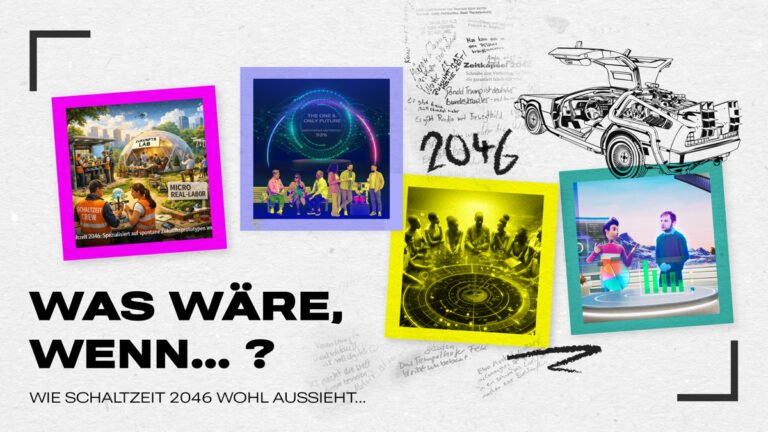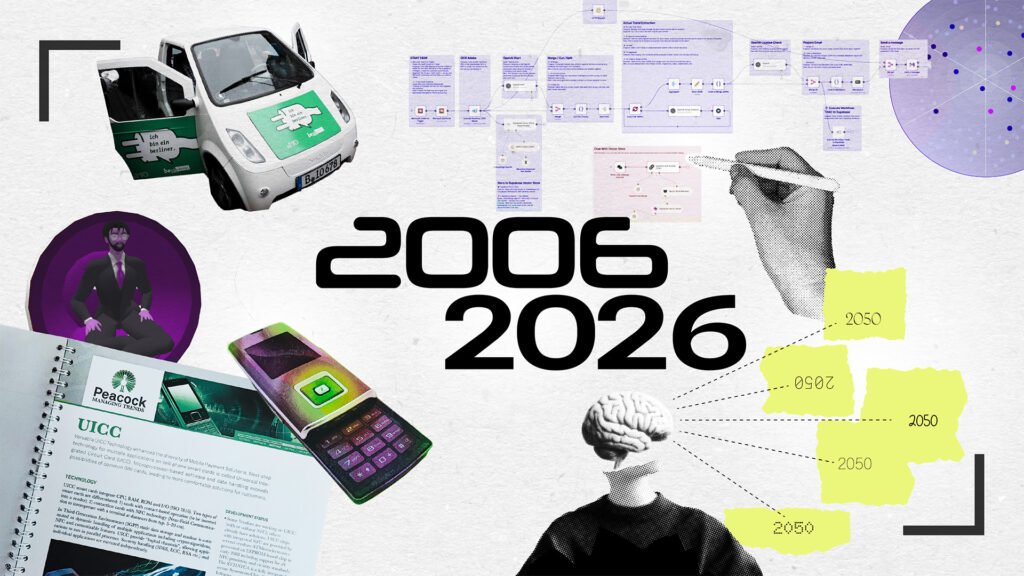

We started out 20 years ago – at a time when Twitter was still fresh, the iPhone had yet to see the light of day, and the internet was reinventing itself as “Web 2.0.” We dissected trends, were curious about anything that had to do with the future, loved technology, and were maybe a little naive, too.
Looking back, André Winzer says “back then we saw ourselves less as futurists. We mainly looked at the future through the lens of strategic management: watching markets, spotting signals, betting on the right technology at the right time”.
The market had just produced companies that were experimenting with entirely new business models. New payment methods, subscriptions instead of one-time purchases, copycats instead of in-house development. TechCrunch and Technology Review were the sources of knowledge, Seedcamp events the stage where you could see how fast capital could accelerate ideas – and how often it wiped them out again. “We were like on a high. We consumed so many of these founder stories and saw what was possible.” And just as regularly, you saw things fail because of wrong basic assumptions. “It was always about questioning the rules of the game, too.” The focus was less on product improvements than on fundamentally new processes, models and technologies in which people saw the potential for disruptive change, as the saying goes.
The way we worked was different back then, too. Just do it and try things out. Questions about the future were discussed at length, over long periods and in person. After all, shared cloud files that several editors could work on at the same time didn’t exist yet. Constantly traveling to clients and project partners was perfectly normal. Bandwidth was far too poor for video conferencing. Excel files were merged with macros. As a result, expert review cycles took many times longer than they do today (decision cycles often ran anywhere from 40 to 50 weeks). This room for depth in working sessions with clients is what André perhaps misses most in hindsight.
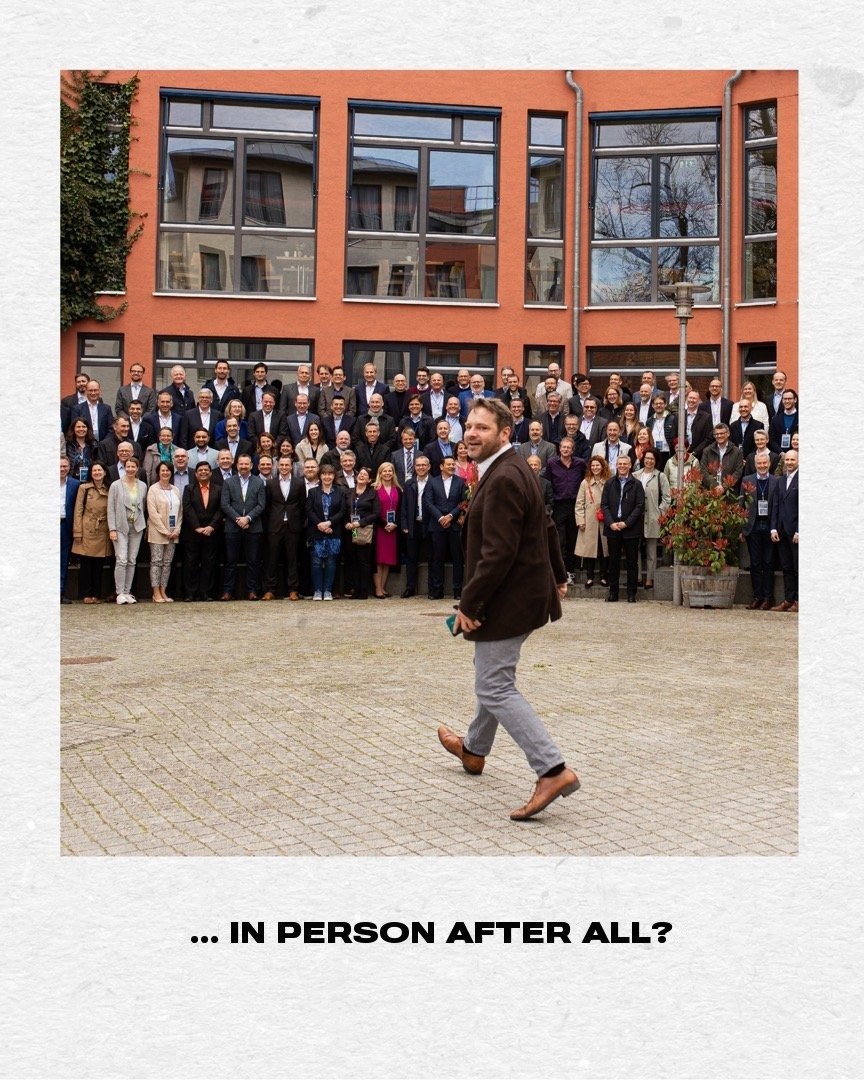
What we used to think about the future of virtual worlds:
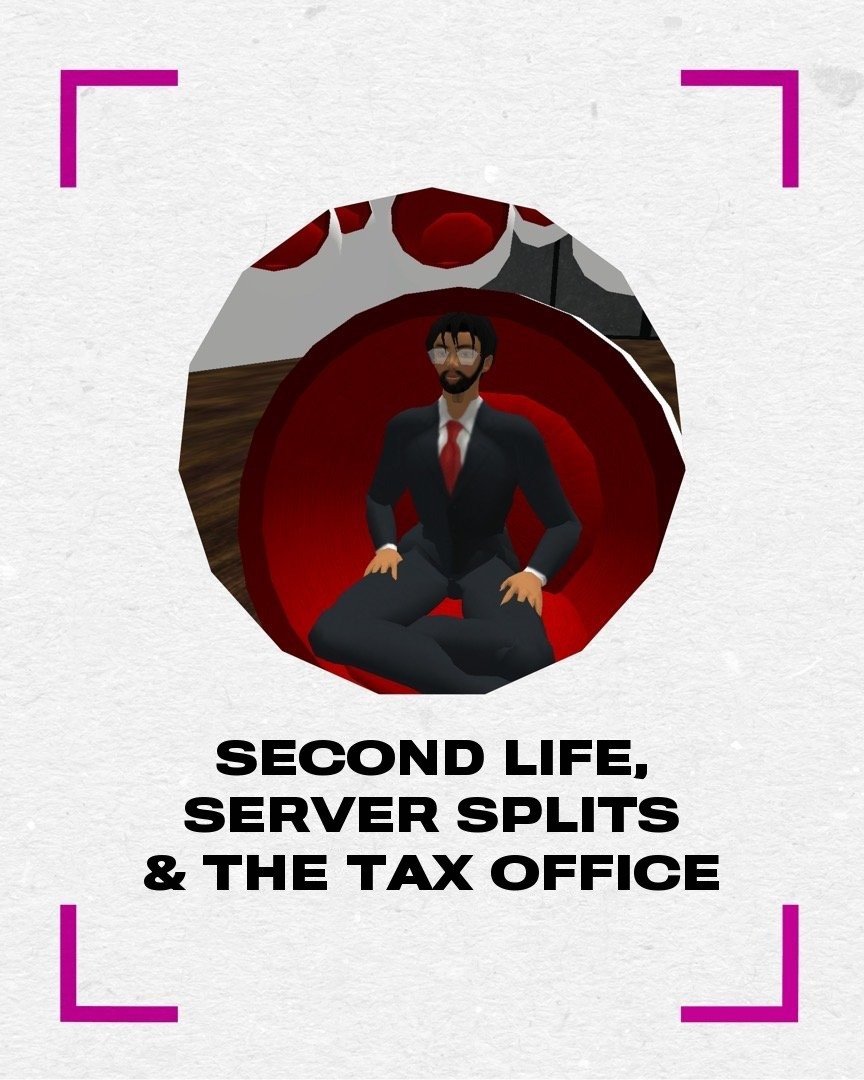
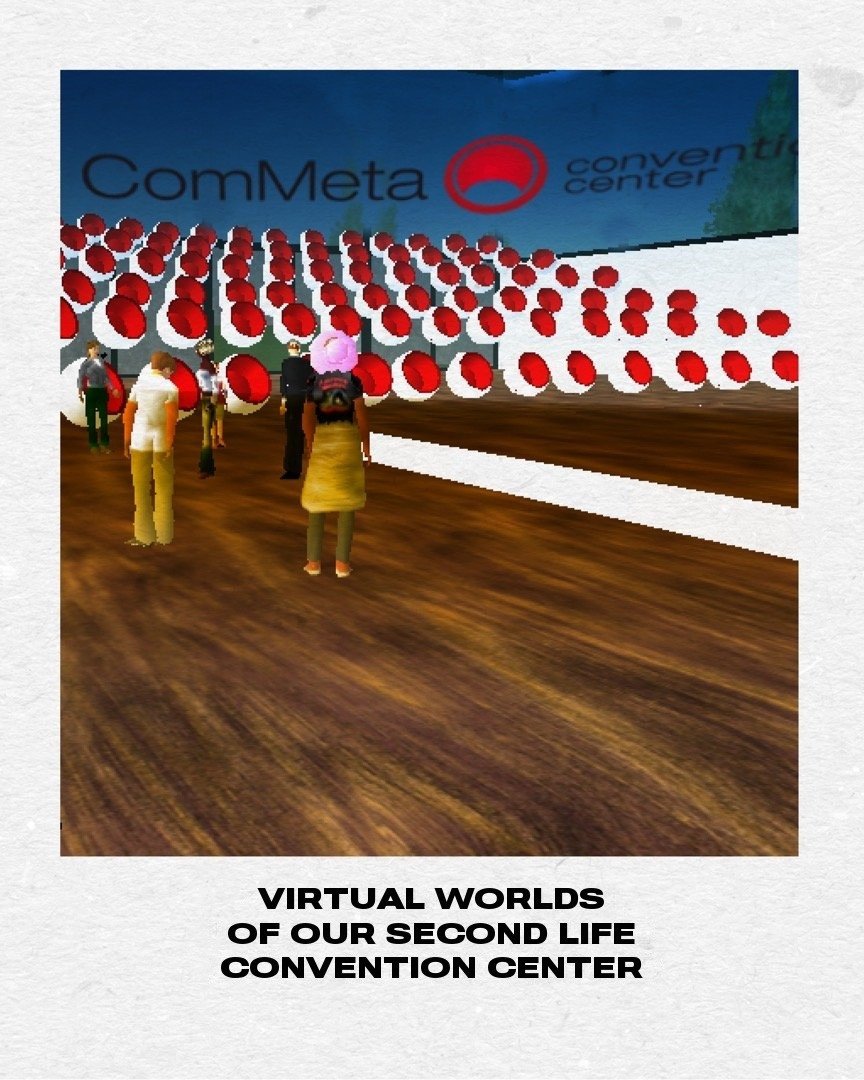
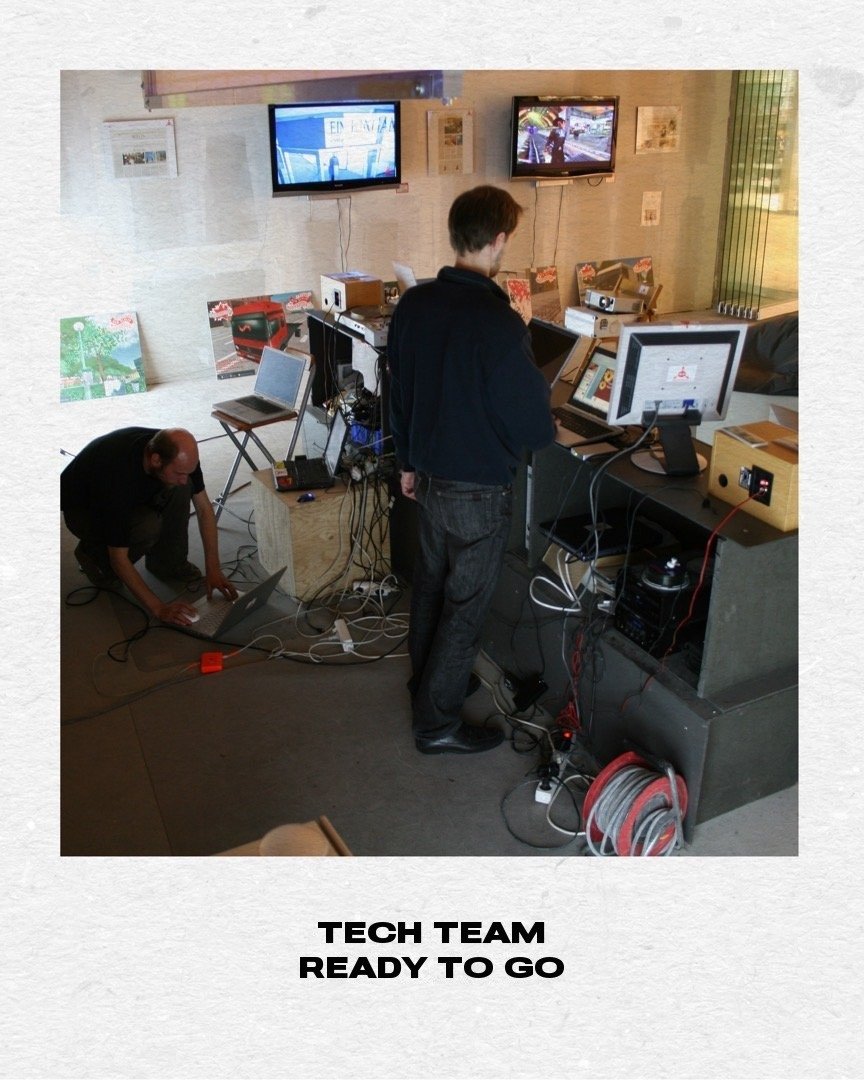
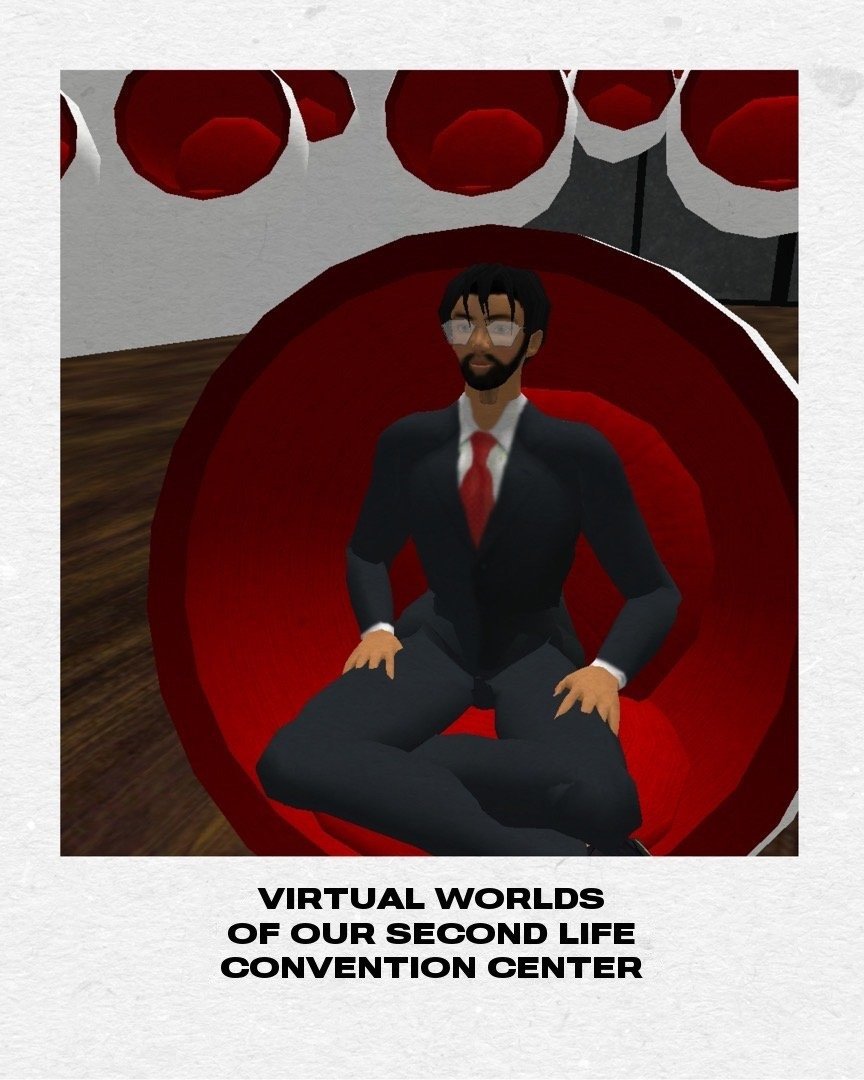
In 2006, Second Life was no toy. IBM had virtual showrooms there, universities held lectures in digital space – and Schaltzeit bought the first German virtual conference center: the Corecon Convention Center. Restyled, it then hit the market as ComMeta.CC. Is that why Meta renamed itself? Who knows. 😉
Why a virtual center? On the one hand, because of the playful freedom: it was a world of its own. An ecosystem of its own. Easy to design and with its own economy. Everyone could go wild, and conferences, concerts and shared events could take place worldwide. On the other hand, the technical reason was very mundane: video bandwidth simply wasn’t enough for video conferencing, but it was enough for (poorly) rendered virtual worlds with avatars.
“With avatars, it’s much easier. Be who you want to be!”
A common vision of the future back then was that physical spaces for learning and meeting could one day be replaced by digital ones. Global conferences without travel costs. More efficient, location-independent, scalable. Being in the same room and still chatting with the person next to you, out loud or by text, without disturbing anyone. “Back then, that was next-level networking.”
What we had underestimated, though, were the technical hurdles for users: “We ourselves were nerdy enough and right in the middle of the game. But someone who had never seen an avatar didn’t intuitively know how to steer their avatar, fly or teleport. Because you could only do that with keyboard shortcuts.”
And then there were the server gaps: because each server could only render a limited area of land, invisible gaps formed at the borders between servers. Avatars could fall into them and get stuck. And time and again, there were users who couldn’t maneuver themselves back out. Quickly sharing your screen with tech support wasn’t a thing yet.
On top of that came the avatar question: what should they look like? When we created avatars for clients, the expectation was often that the avatars should look as much like the real users as possible, or rather like a tuned-up version of them. A little more attractive – more muscular, better-looking, with longer hair. That was technically possible. But how do you match their taste? Even the historical portrait painters found that incredibly hard: the dilemma of painting either too realistically (and offending the patron) or too flatteringly (and raising expectations that reality can’t meet). In any case, Schaltzeit styled avatars from photos of the participants – incredibly time-consuming. It was always cool, too, when people styled their avatars completely differently. Some showed up at our virtual events as a fish, a crab or an alien.
But the commercial end of our ComMeta.CC in Second Life came quickly. One month after the conference center was finished, a building kit suddenly appeared for 4.99 dollars that offered the same functionality. Tens of thousands of euros of investment against five dollars. Nobody wanted to buy a custom-built conference center when the standard kit existed.
That was the end of the project for us, but far from the end of it for the tax office. Three years of back and forth, because nobody knew yet how such a conference center should be valued: how do you depreciate a virtual fixed asset in Germany (depreciating buildings over 35 years is standard) that sat on American servers, belonged to an avatar that had paid in Linden dollars, and was subject to terms and conditions that placed ownership of all virtual goods with Linden Lab anyway?
“The tax office wasn’t prepared for cases like this at all. How can the value of a digital good decline so quickly? Our mistake: we had seen it as an investment and not as a marketing measure.”
We bore the legal defense costs ourselves. What remained besides the unexpected paper war: the realization that human experience on site can’t be bridged digitally as easily as we tech nerds had first thought.
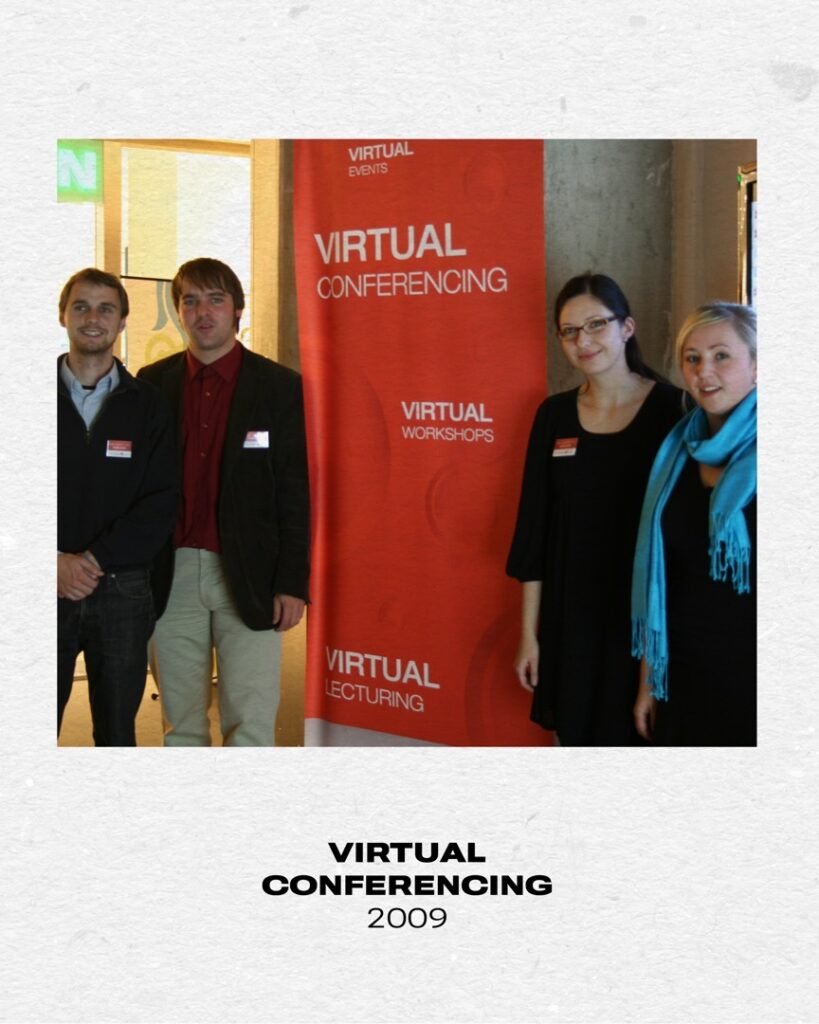
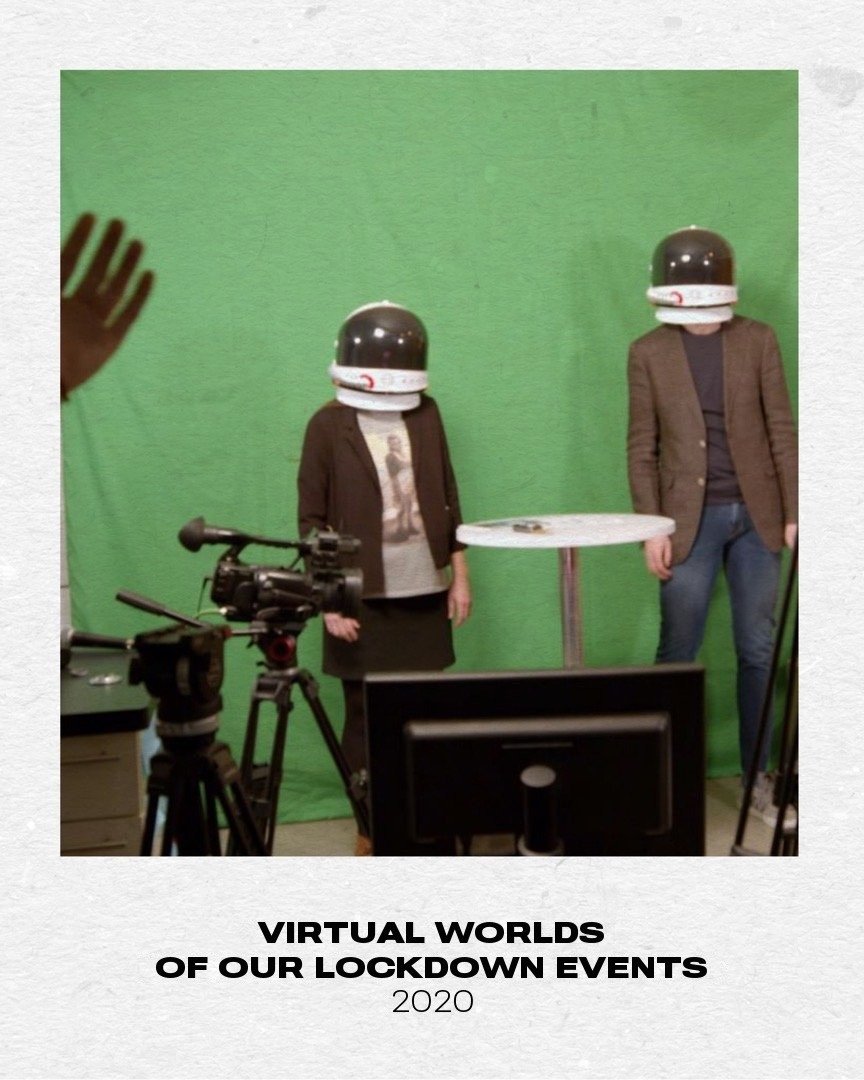
Even though Second Life has long since disappeared from serious strategies, the basic idea has stuck around to some extent – and kept coming back with a new face. Covid at the latest prompted us to take virtual formats seriously again, this time with more mature technology. “When the conditions change, the exchange has to change, too.” Not everything is always possible virtually, but a lot is, as long as you give the user journey enough thought in the concept.
Fortunately, we didn’t bet on augmented reality and elaborate VR headsets. We left that to Facebook, which with the Metaverse took up the vision of outsourcing human interaction to a huge virtual platform that we would all visit via VR headsets. If they had asked us, we might have warned them about the costs, because we had learned our lesson. 😉 Immersion and virtual worlds need technical standards that work with simple hardware and, above all, are low-threshold for “normal” users, not just for gaming enthusiasts. Meta’s Horizon Worlds is now being gradually scaled back: from June 15, 2026, the app will disappear from the Quest Store entirely. The result: more than 70 billion euros in losses in just under five years. What that means for Meta’s taxes is another story. 😉
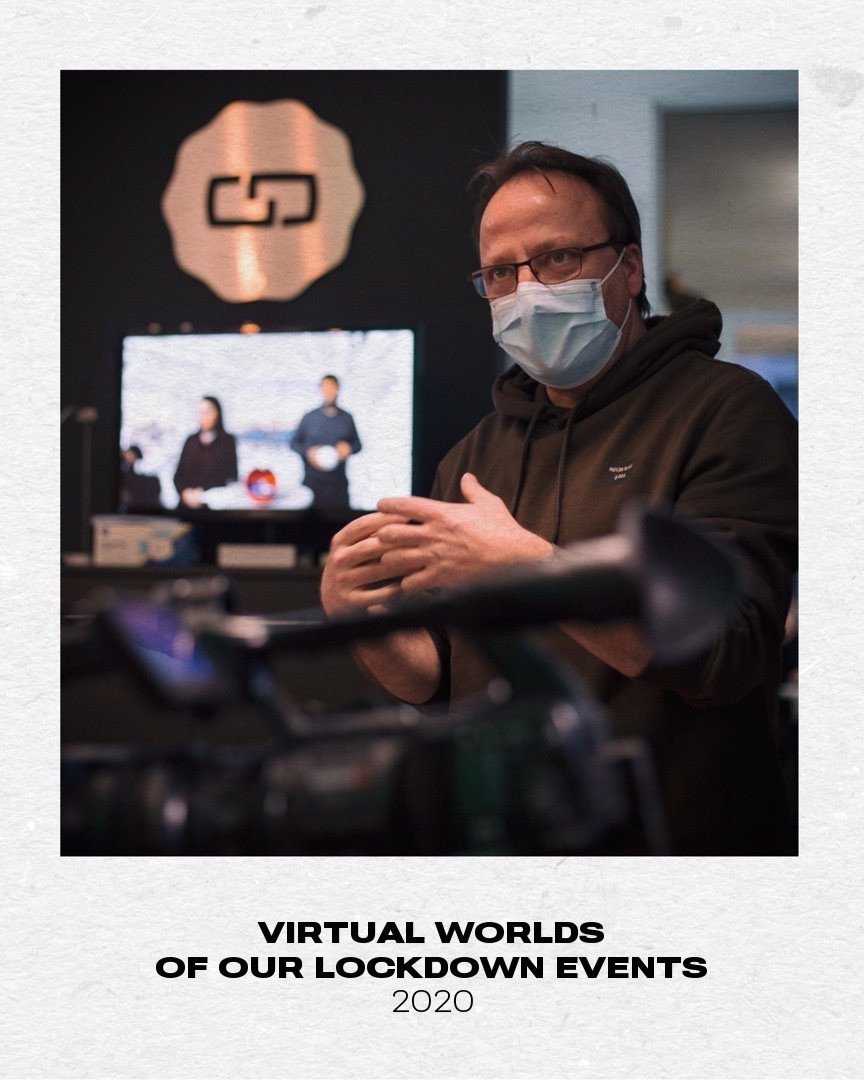
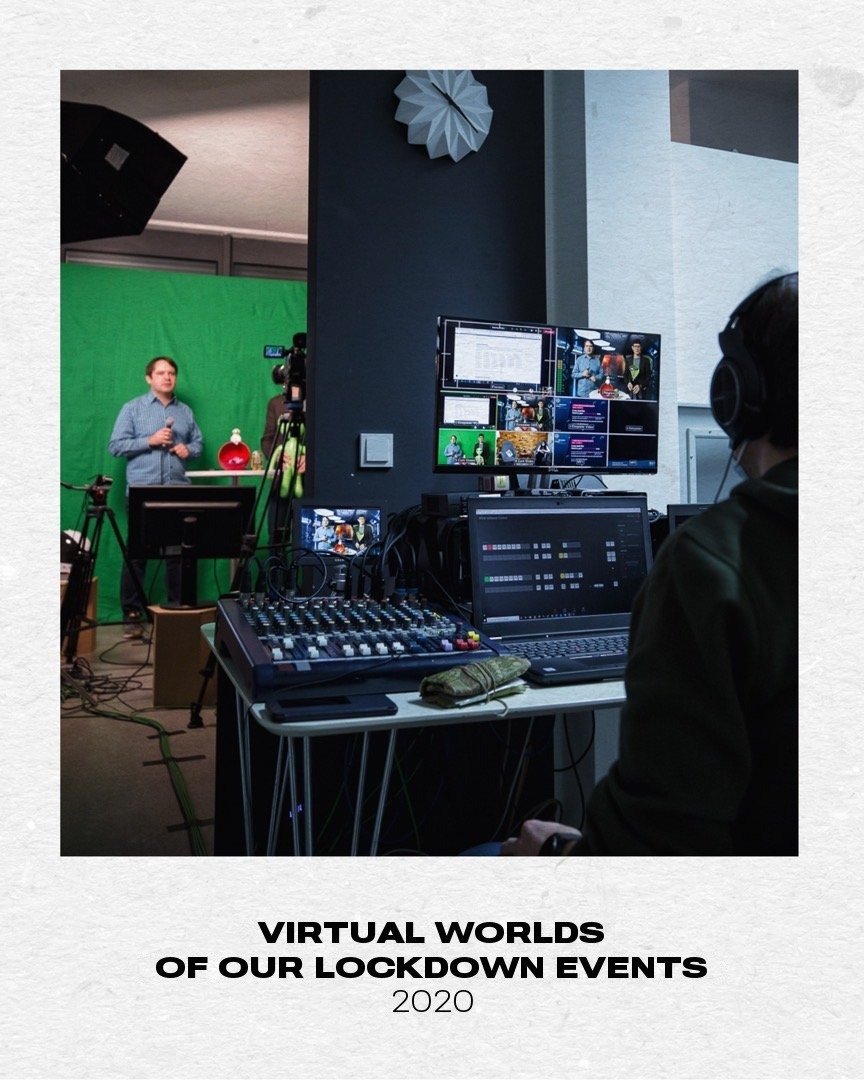
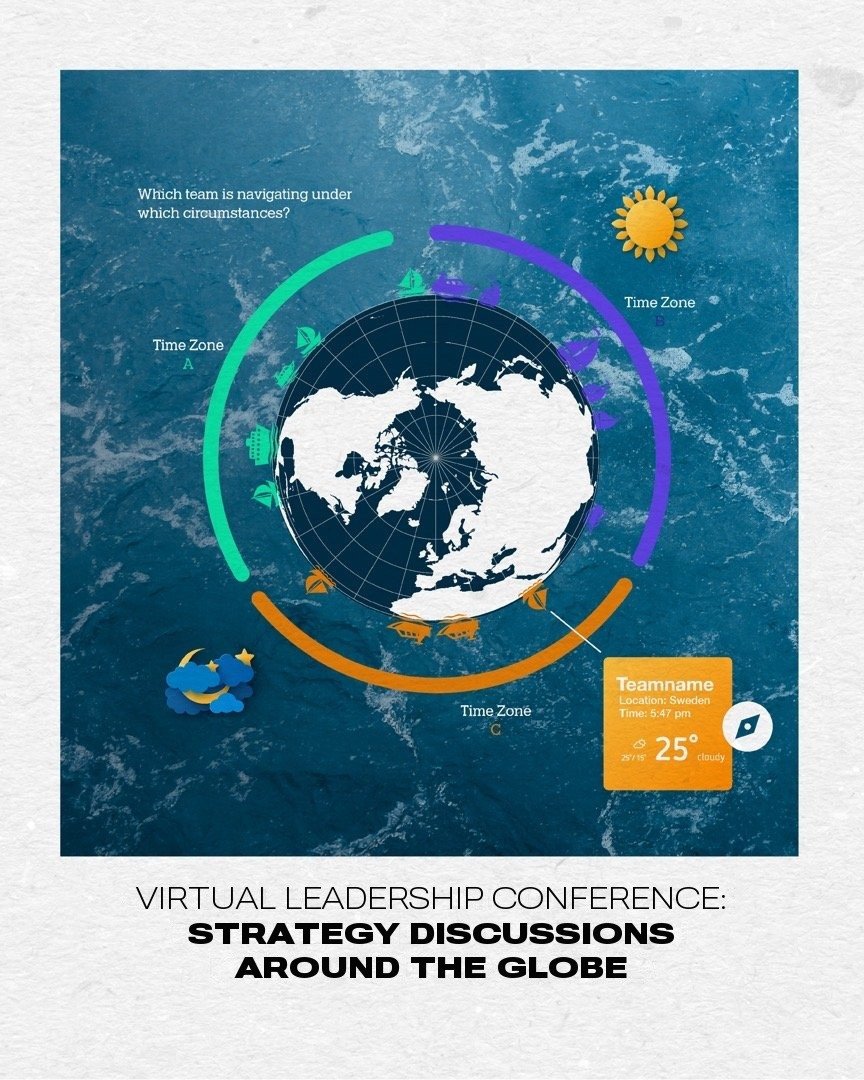
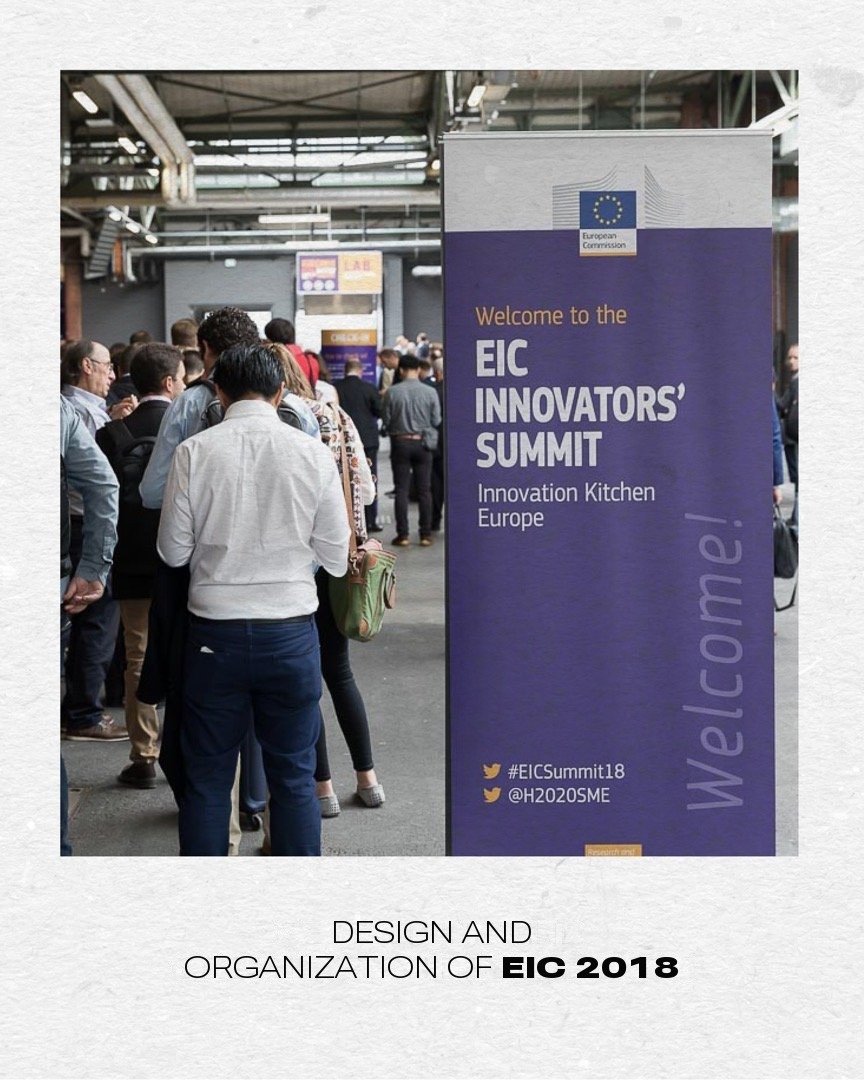
What remains at Schaltzeit from all those virtual worlds is today’s event track: true to the motto “Experiences for Forward Thinking”, we have been trying out new on-site/virtual/hybrid solutions for 20 years, and even at multi-day events we make sure there are moments of surprise, good interactions and a well-orchestrated tool landscape. Whether it’s global leadership strategy conferences, learning journeys or compact workshops. And we don’t shy away from on-site events either, such as organizing the EIC Innovators’ Summit.
As for (past) visions of the future: today, virtual spaces are no longer a future replacement for meeting in person, but they are not an utterly failed utopia either. Still impressed by the new possibilities tech offers every day, we have also come back down to earth a bit. Over 20 years, we have honed our craft. If you’re thinking about formats for exchange on questions of the future and innovation, we’re ready.
What we used to think about the future of electric cars:
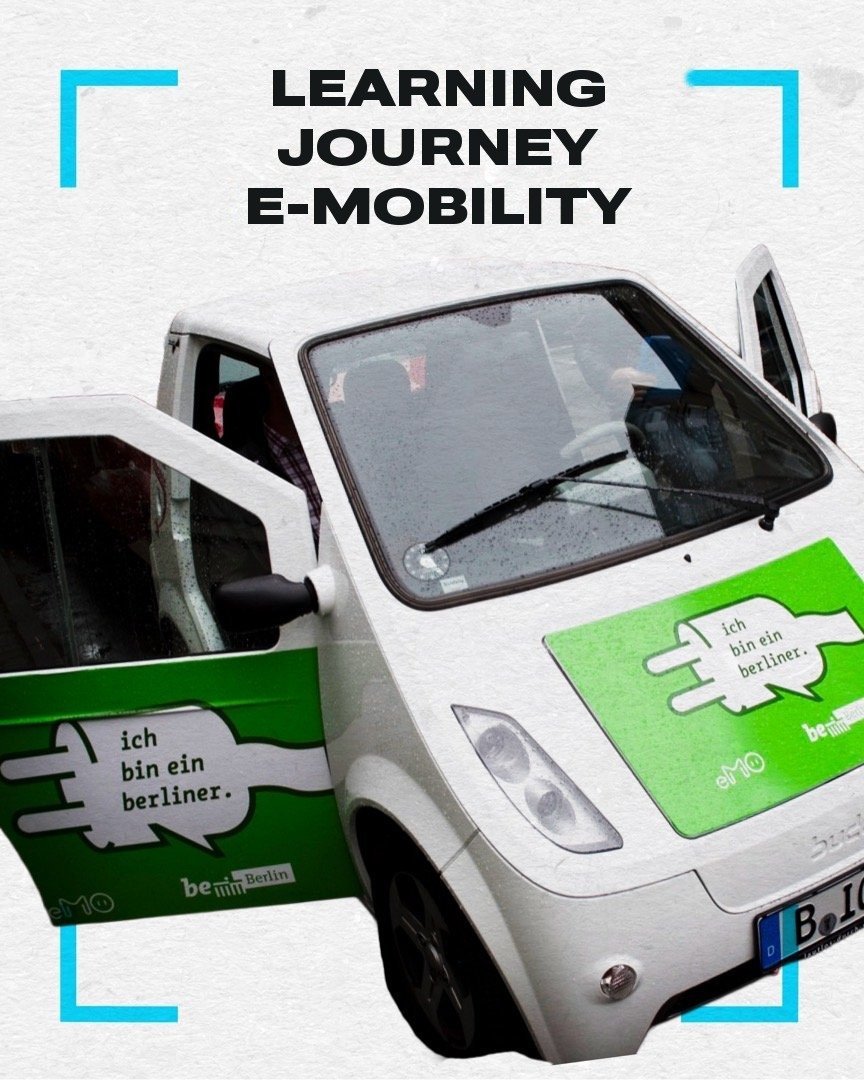
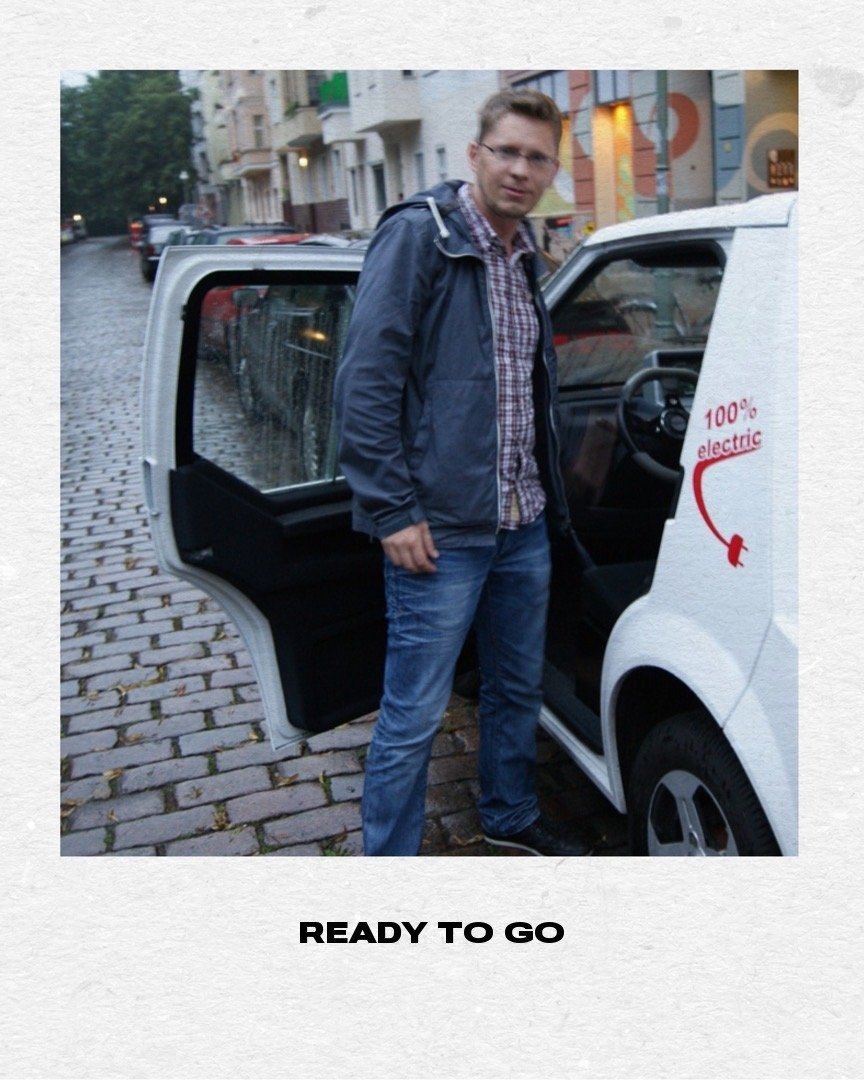
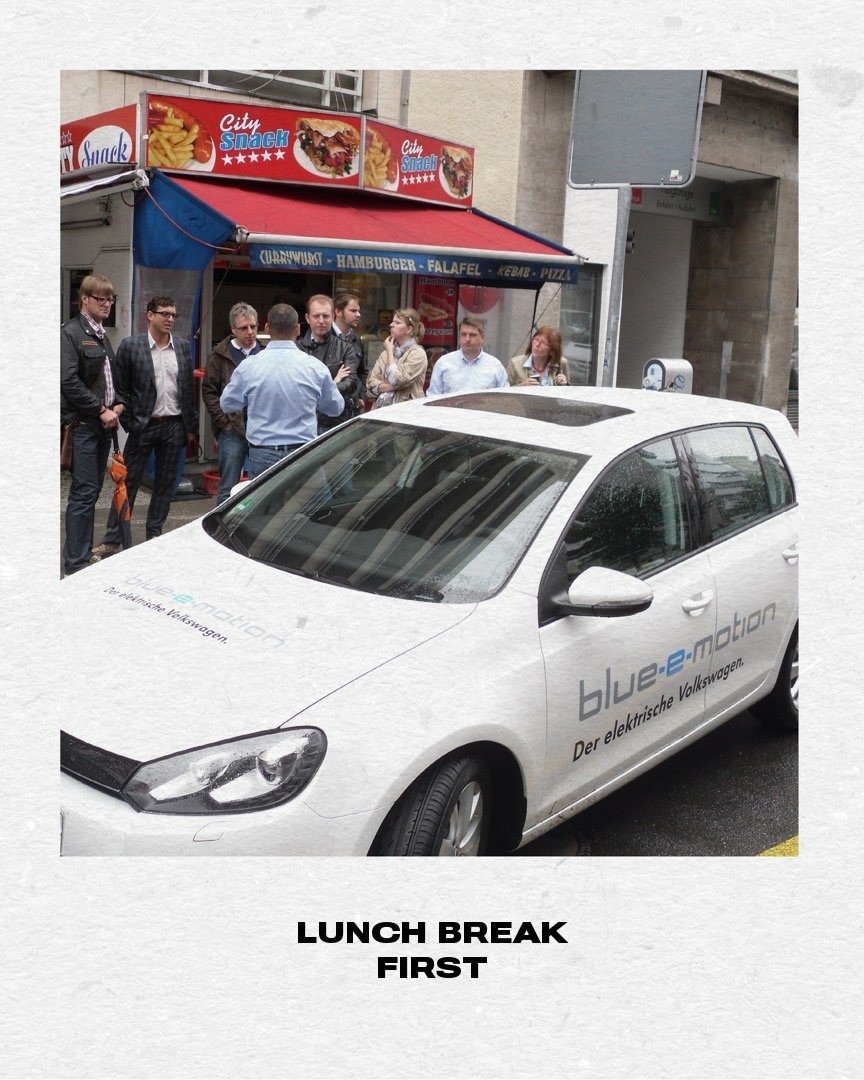
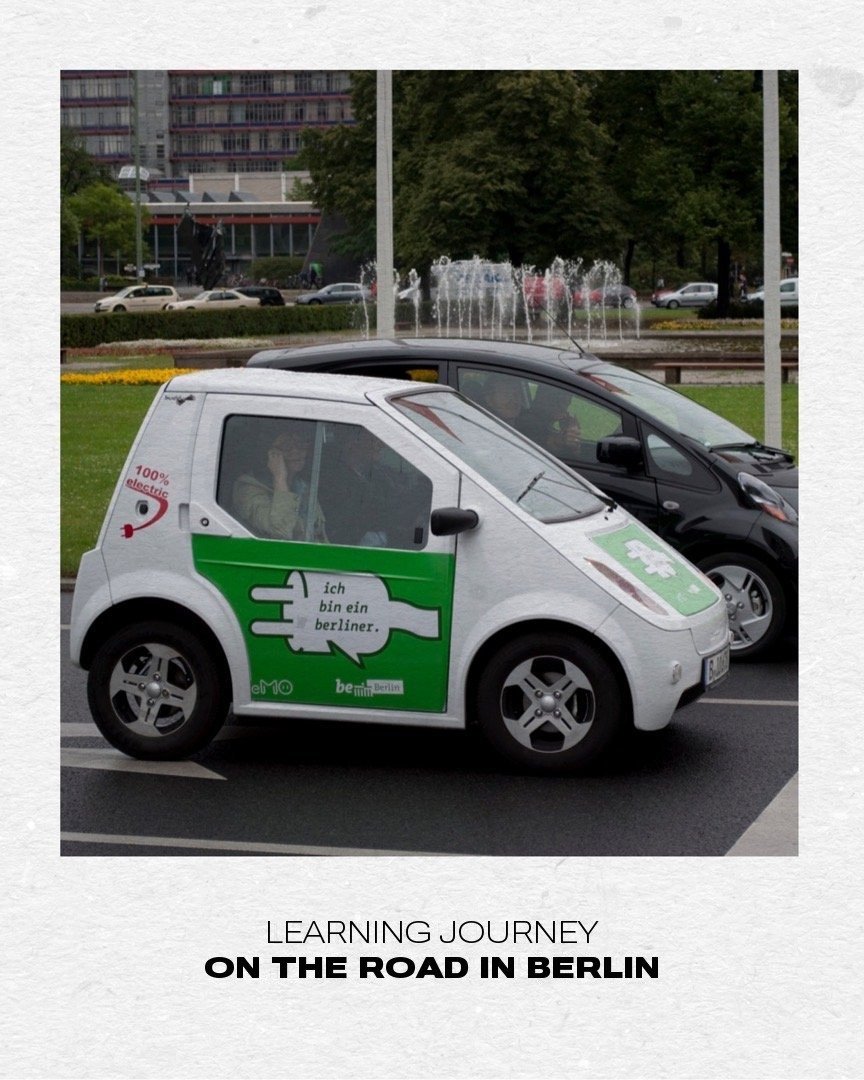
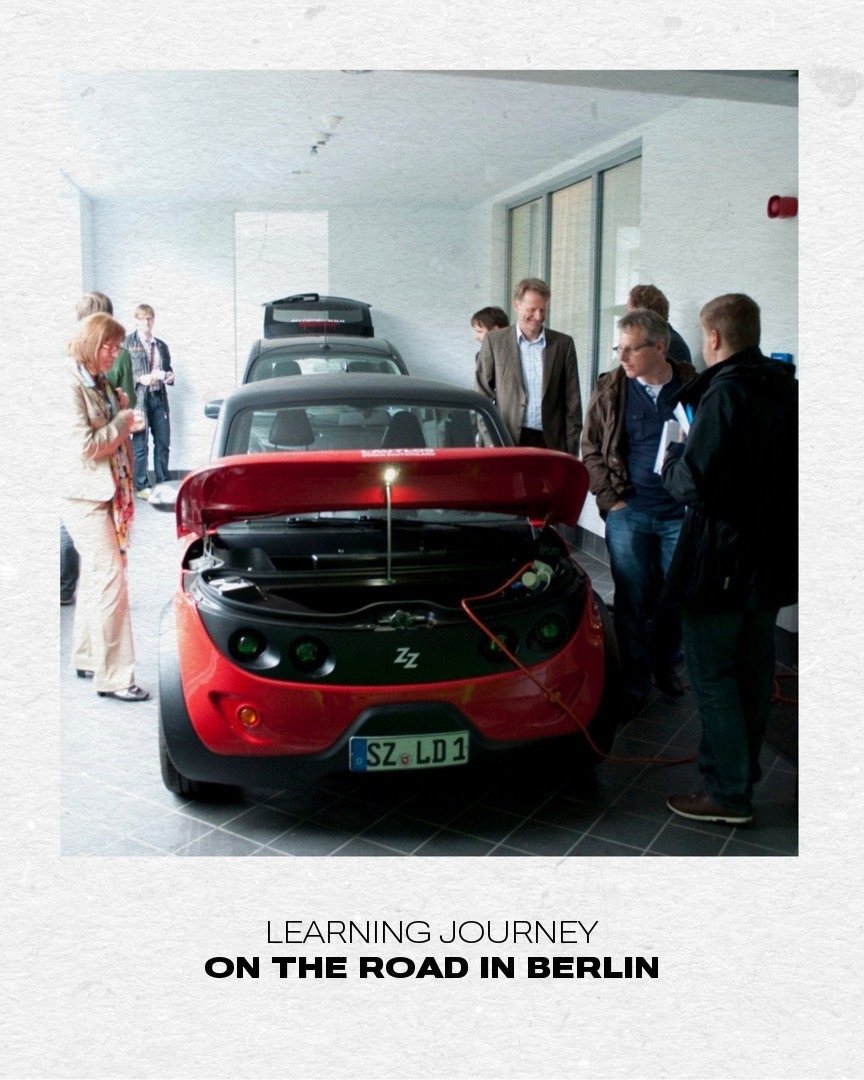
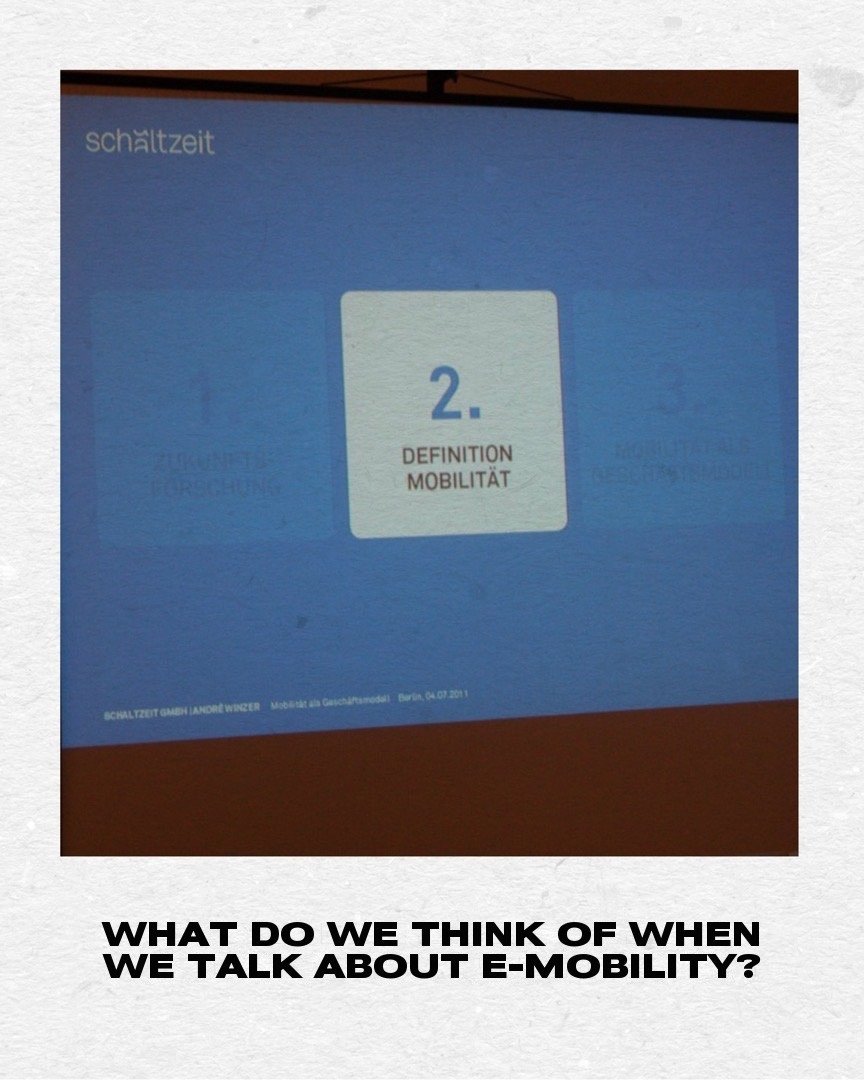
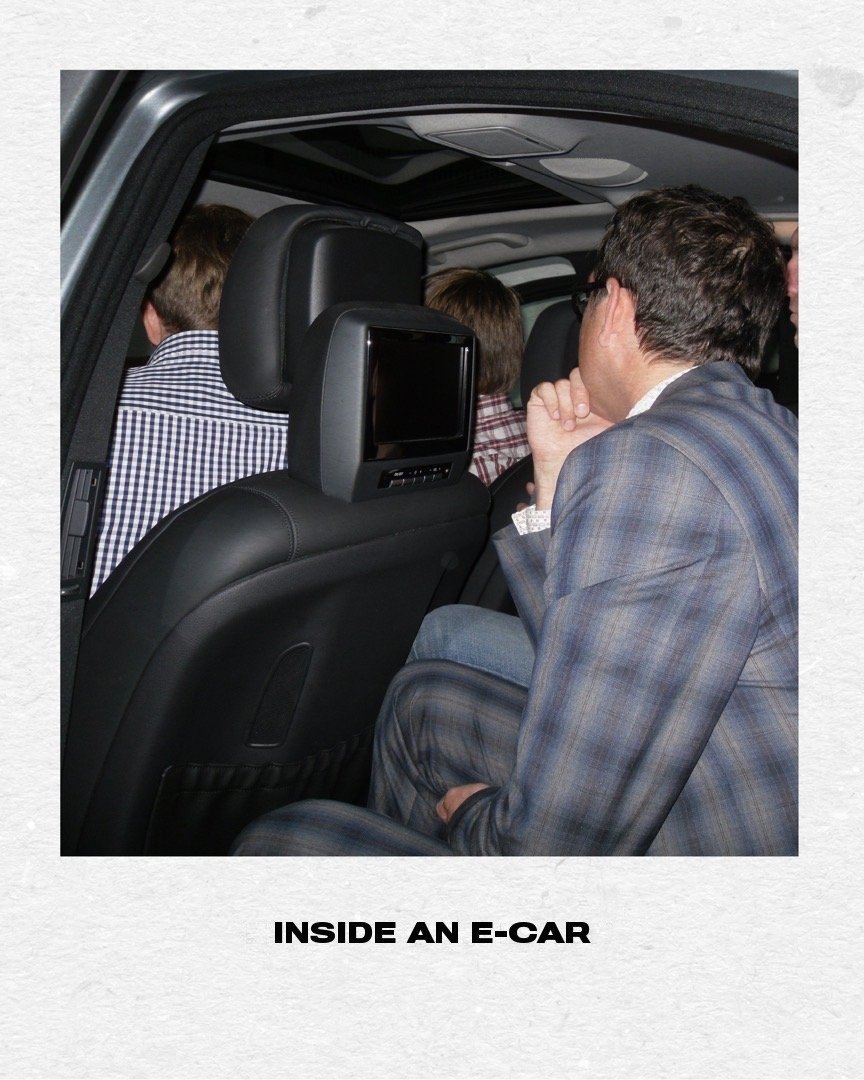
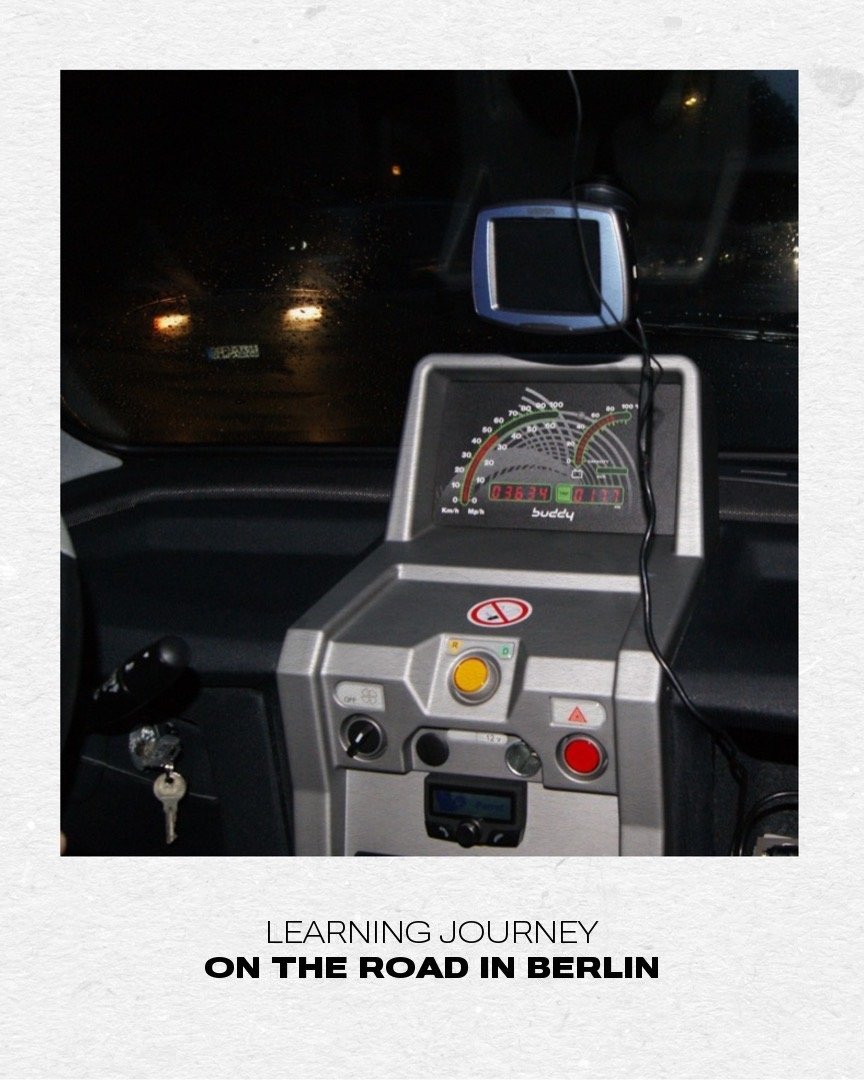
In 2011, we organized a learning journey through Berlin on e-mobility for vehicle developers at a major car manufacturer. The means of transport between the stops: electric cars, of course. The problem: there hardly were any.
“The e-cars we had found were either still being built or real DIY vehicles – some of them looked like somebody had a welding machine and just put the thing together.”
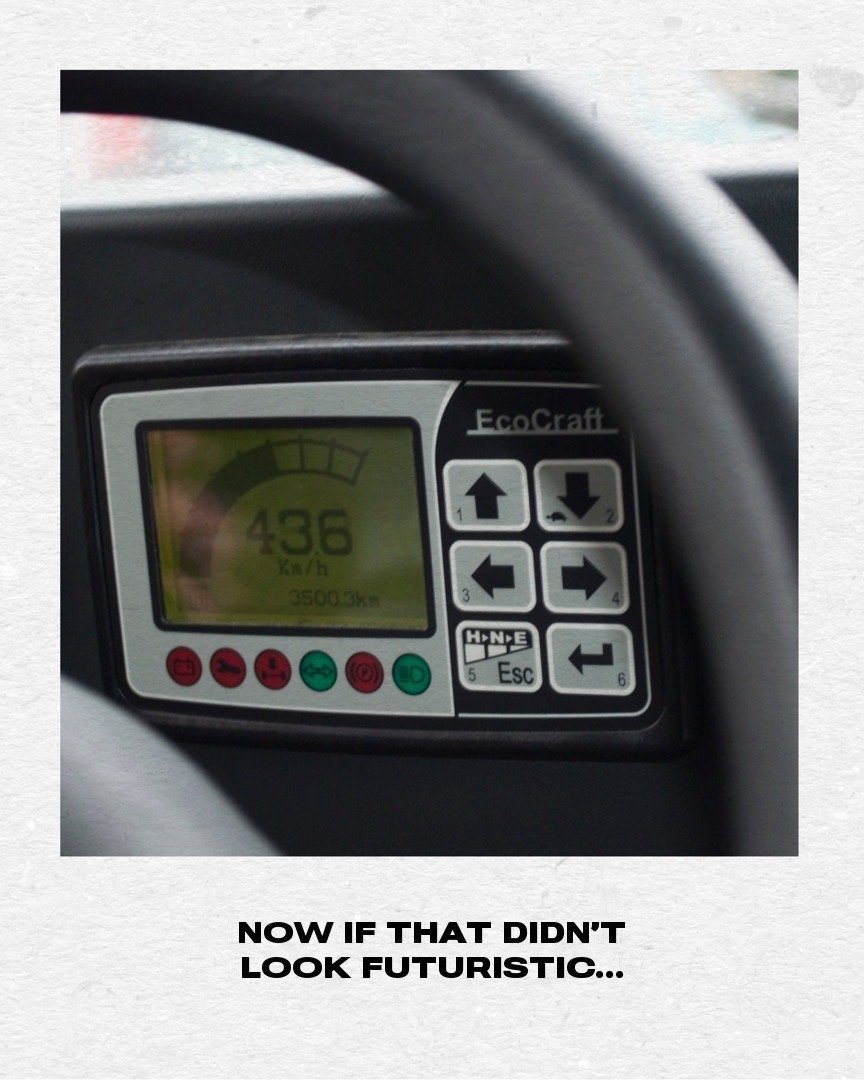
One moment remains unforgettable: a participant got into the car, pressed the start button and was puzzled:
“It won’t start.” – “What do you mean, it’s running.” – “But I can’t hear anything!”
That was 2011. Back then, e-mobility was still completely unfamiliar, including the driving experience and the quiet drive technology.
The learning stations of our learning journey played with different perspectives. We had participants complete various mission cards, slipping into different roles to do so: a major German car manufacturer, an employee of Bamboo Cars from Thailand, a Norwegian tinkerer’s shed, Tesla, BYD, a child in the back seat, the environmental agency, the ministry of economic affairs. The insight behind it: if you want to shape the future of mobility, you first have to understand whose future is actually being imagined here.
“What basic image of mobility do car manufacturers have? That obvious question turned out to be quite interesting.”
One mission-card stop took the group to T-Labs, Deutsche Telekom’s research lab. There stood a full trunk – crammed with technology for a single function: music streaming. Data rates back then wouldn’t have been enough to stream a song over the air. And the legal licenses only covered technical caching. The song had to be buffered on a hard drive.
Today, buffering is no longer an issue; the smartphone does the job. Thanks to media convergence, you tap Spotify and the car plays it. Back then, we hadn’t quite considered that we would want to take our apps into the car with us. Thanks to shared playlists, streaming together is possible today. “Back then, you needed an entire trunk for that. Now you can use it for luggage again.”
Overall, visions of the future of cars seemed in some respects very focused on the technical limits of the time. And some car manufacturers still regarded e-mobility with a rather condescending smile – panel gaps off, range not working out, poor acceleration. Charging speed? Better not talk about it. High purchase prices due to expensive batteries and meager profit prospects for manufacturers were the central sticking points in questions about the future of e-mobility.
“But those are all things you can work on. And that’s what happened – bit by bit. Anyone who underestimates that can fall hard.”
Charging infrastructure was also cited as a central obstacle. A Berlin startup therefore wanted to turn every streetlight into a charging station. What actually happened: Tesla didn’t retrofit streetlights but built its own Supercharger network. And technically, Tesla had done something nobody had on their radar: it brought software into play – to link many batteries together instead of waiting for a new super battery to be developed:
“They simply said: we’ll stack lots of small laptop batteries into one big power reservoir. Software takes care of the rest.”
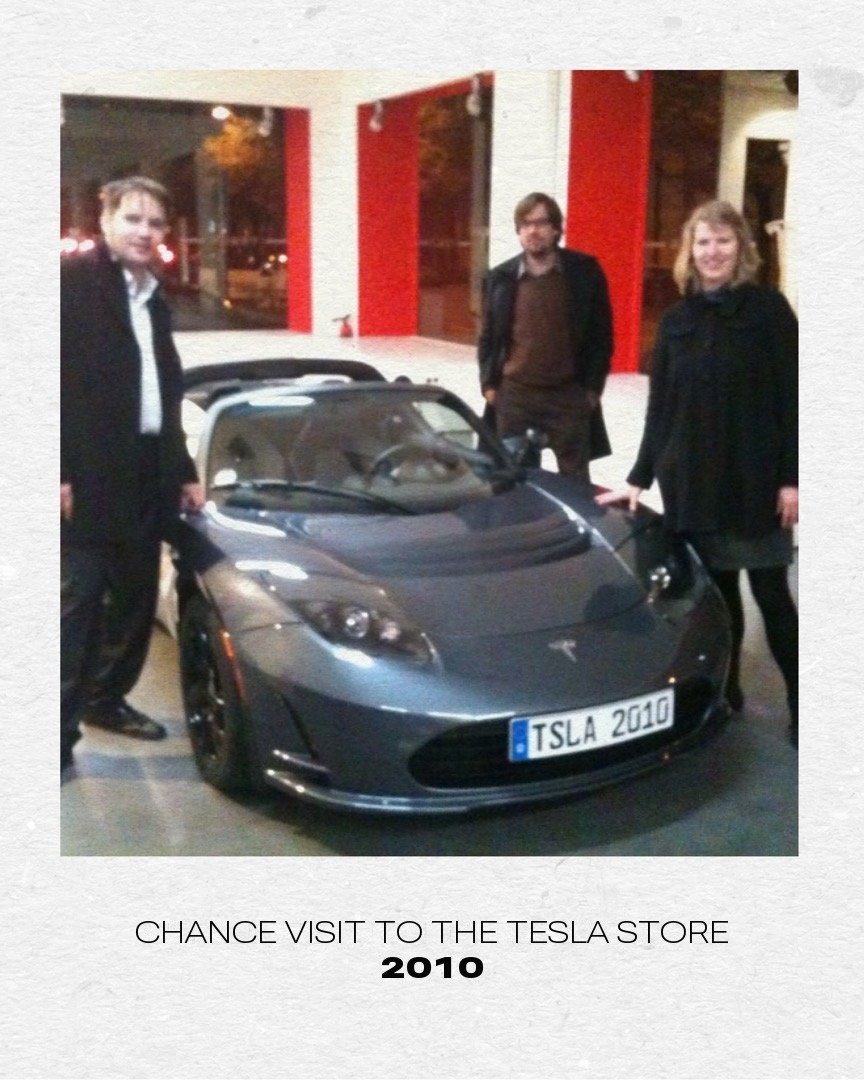
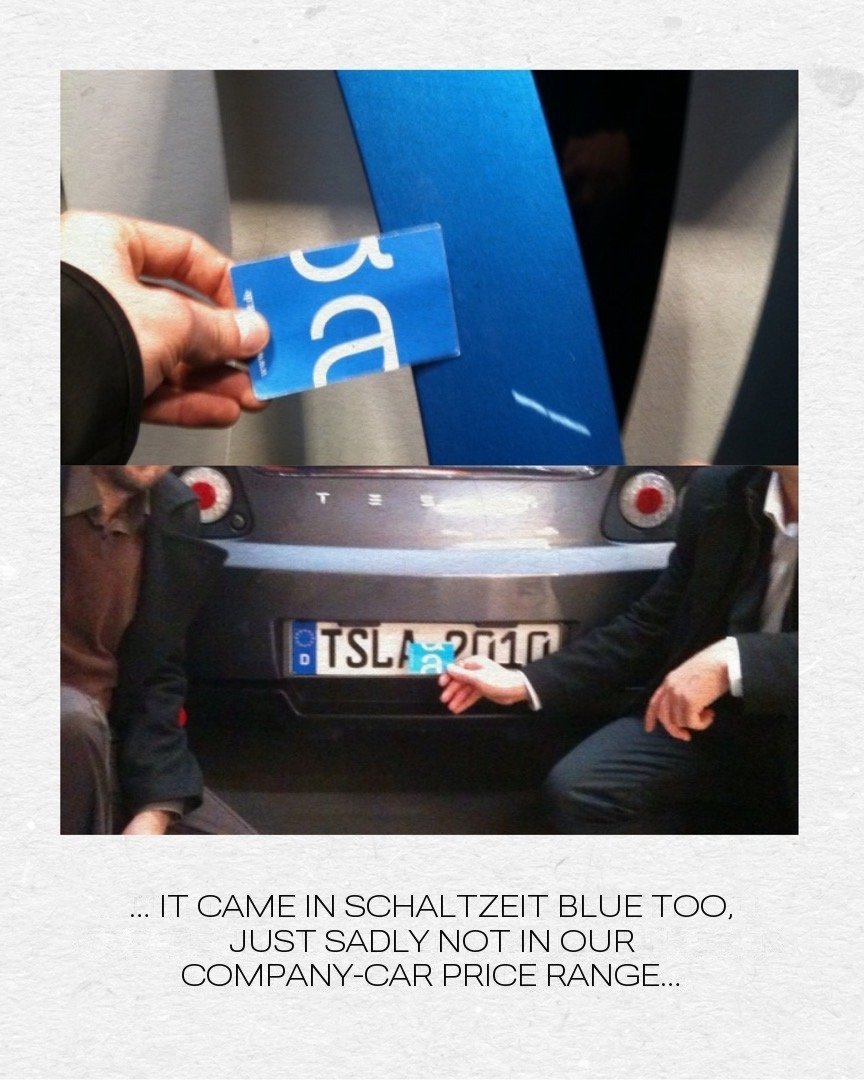
Stacking laptop batteries and managing them with software – at first it sounded like a basement hobby project, but it became the world market leader. And it had already impressed us back then: in 2010, the year before, our team happened to drive past the first German Tesla showroom in Munich late one evening, André recalls. We were just looking in the window, but the staff opened up again especially to show us the Tesla Roadster. Even though this sports car sadly wasn’t available to rent for our learning journey a year later (it was only for sale, at a six-figure price), you could already sense the innovative spirit of e-mobility.
Still: what used to be the obvious fanboy position along the lines of “Elon is a visionary, Tesla is revolutionizing everything” has since turned into a far more complicated attitude for many – as car stickers like “I bought this car before I knew Elon was crazy” show, not least. You could say that visions of the future about people have an expiration date, too.
But back to German e-mobility: the business model dilemma of the German car industry – high margins on combustion engines, uncertain profitability on electric cars – was already visible in 2011… and may have a longer shelf life than we would have liked.
What we used to think about the future of AI:
In 2006, AI was not yet a buzzword on the scale of recent years. What was considered “smart” technology back then sounds modest today: tagging image databases. Or a concept for future refrigerators that recognize what’s inside. Even though the computing power to build such refrigerator concepts simply didn’t exist back then. People still thought the computing power had to go directly into the device instead of being outsourced to server farms. “I still remember smart home demonstrations where a technician up in the attic ran the technology to keep up the illusion of ‘everything works all the time’ in the showroom. Or a robot in the smart living showroom whose job was to find misplaced keys – but it could only find them in special ‘lost spots’.” AI was not yet a working everyday application, more of a vision: the technical methods weren’t scaled yet and too little training data was available.
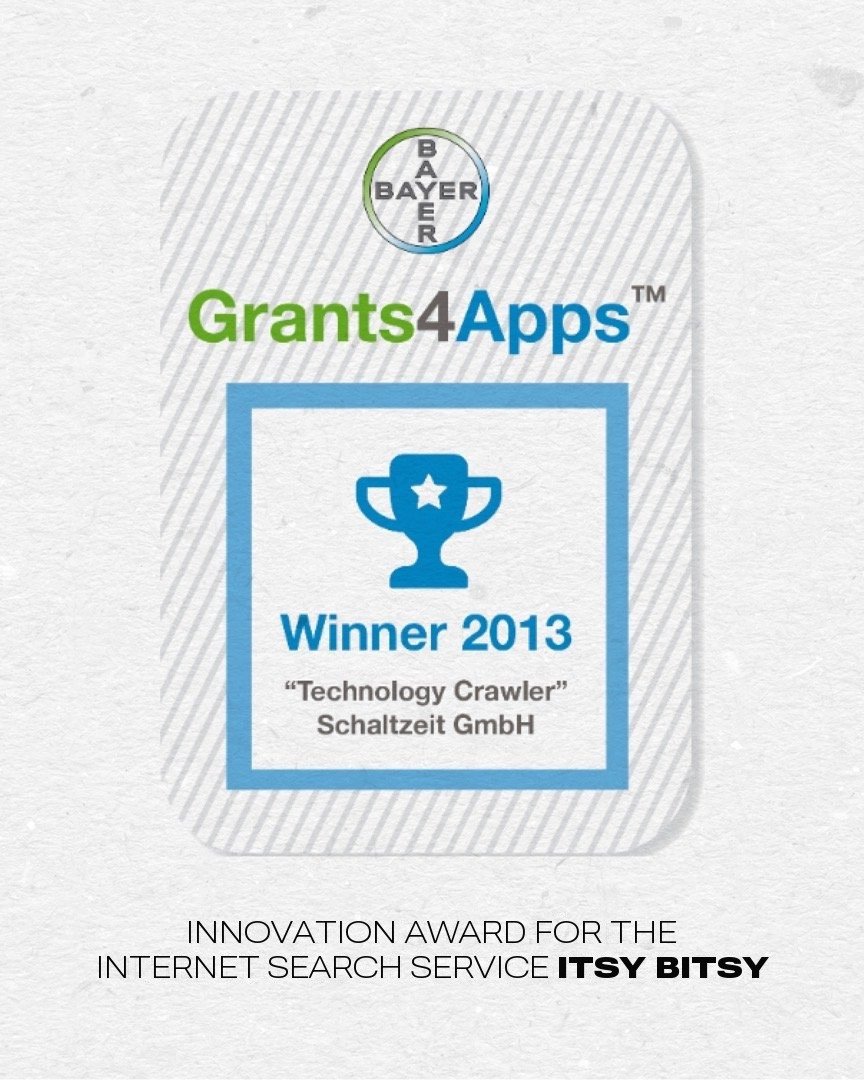
Nevertheless, basic ideas for AI applications were very much present across industries: aggregating knowledge, analyzing information automatically, getting faster at it than the competition. For us, back then, that meant ontology trees, feed readers, RSS protocols and our in-house project called ITsy Bitsy: a web crawler that collected information from various sources and transferred it into a database.
“We worked on the prototype for half a year and then even won an award from Bayer AG for ITsy Bitsy.”
But then legal reality kicked in: at that time, web scraping was simply illegal in Germany and the EU. You had the technical means to analyze knowledge – but you weren’t allowed to store and process it in databases.
“Why do I collect data? We wanted to recognize patterns and trends, condense signals into developments and bring them together. But building the technical tools for that wasn’t legally possible. In other countries it was. So it meant consuming the interfaces of foreign services instead of pushing our own development.”
In between came the voice assistant wave. Alexa, Siri, Cortana – for a moment, voice control seemed set to become the next big thing. For one client, for example, we worked on the question “What happens legally to contracts I’ve concluded verbally?” Then the wave subsided again. And now, with LLMs, voice is coming back as a way of interacting with AI.
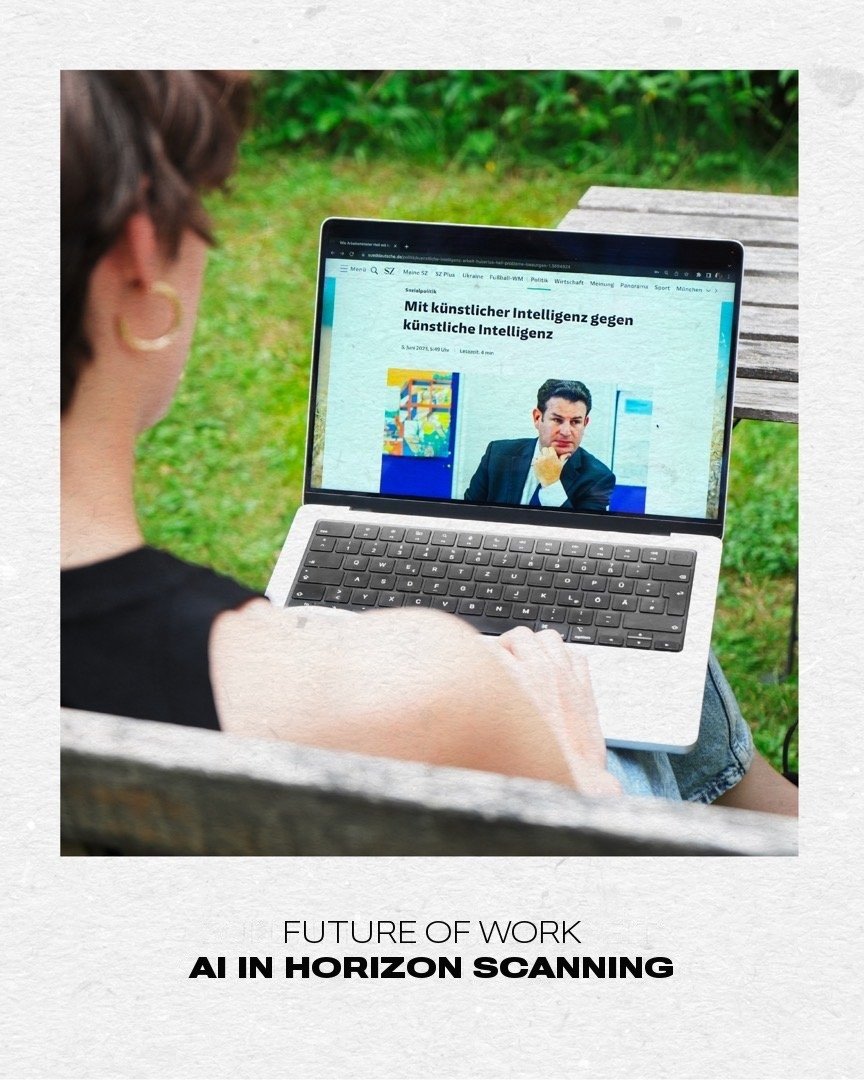
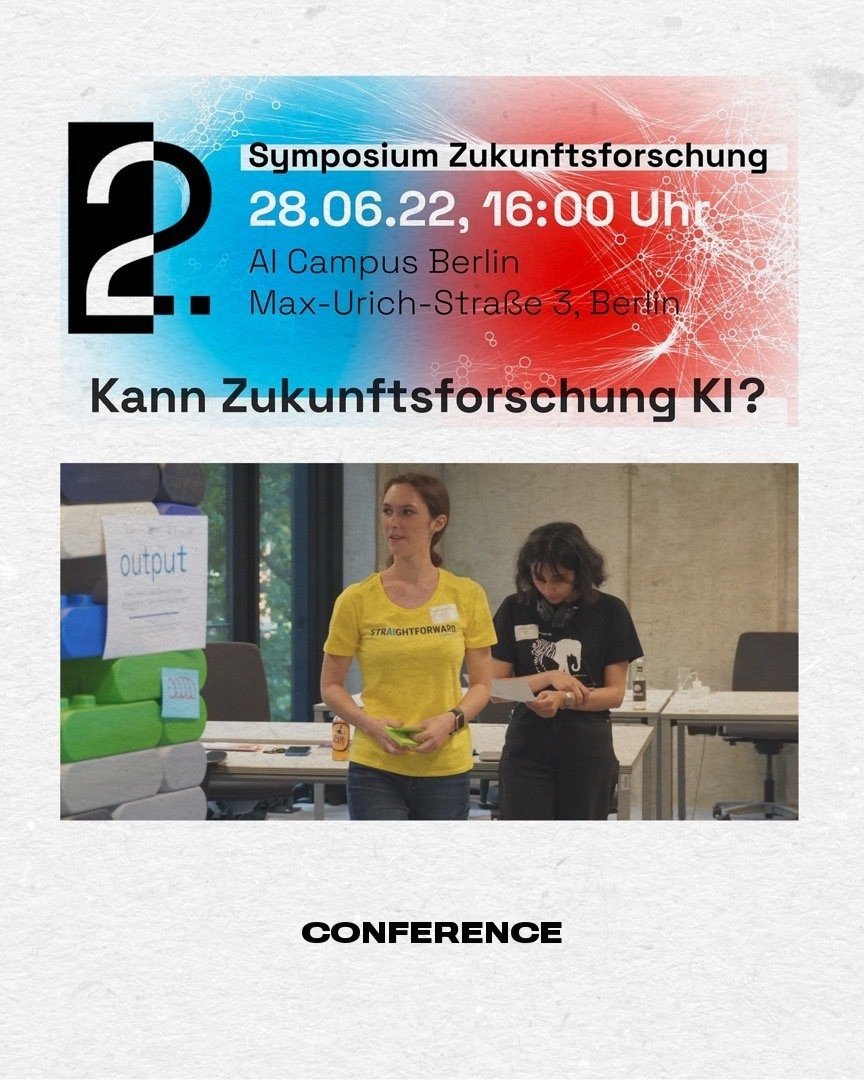
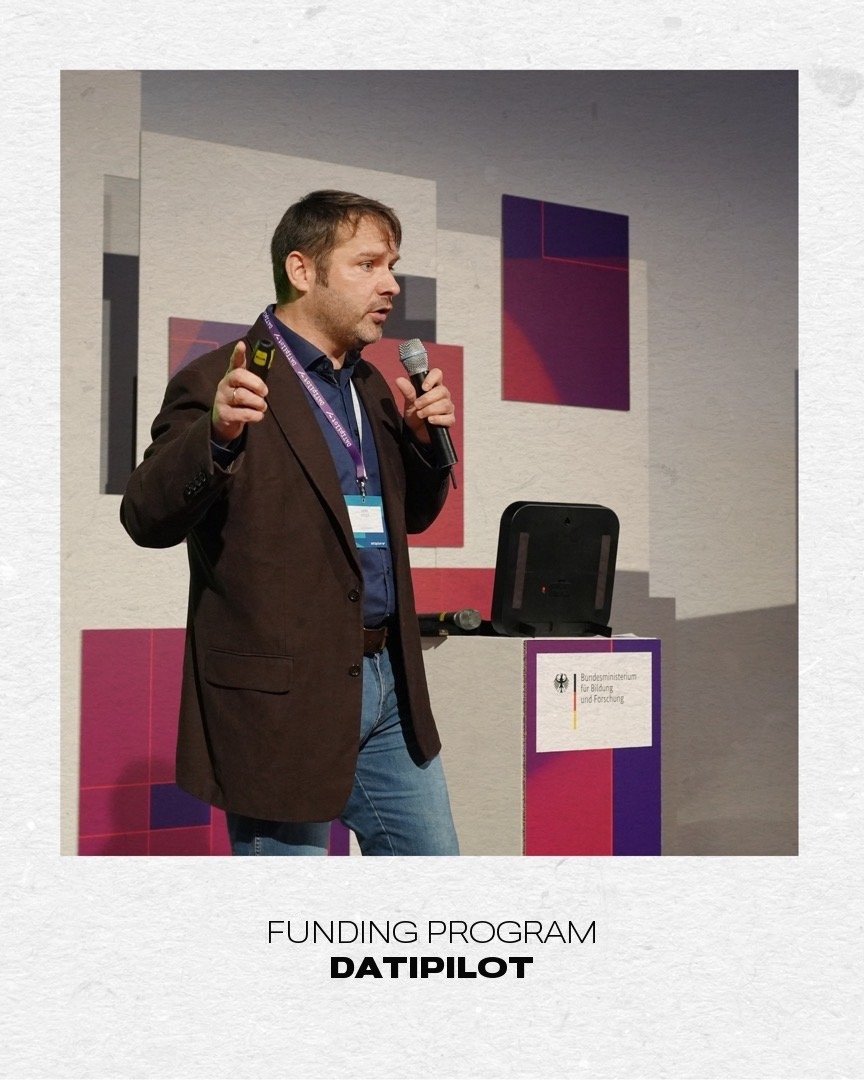
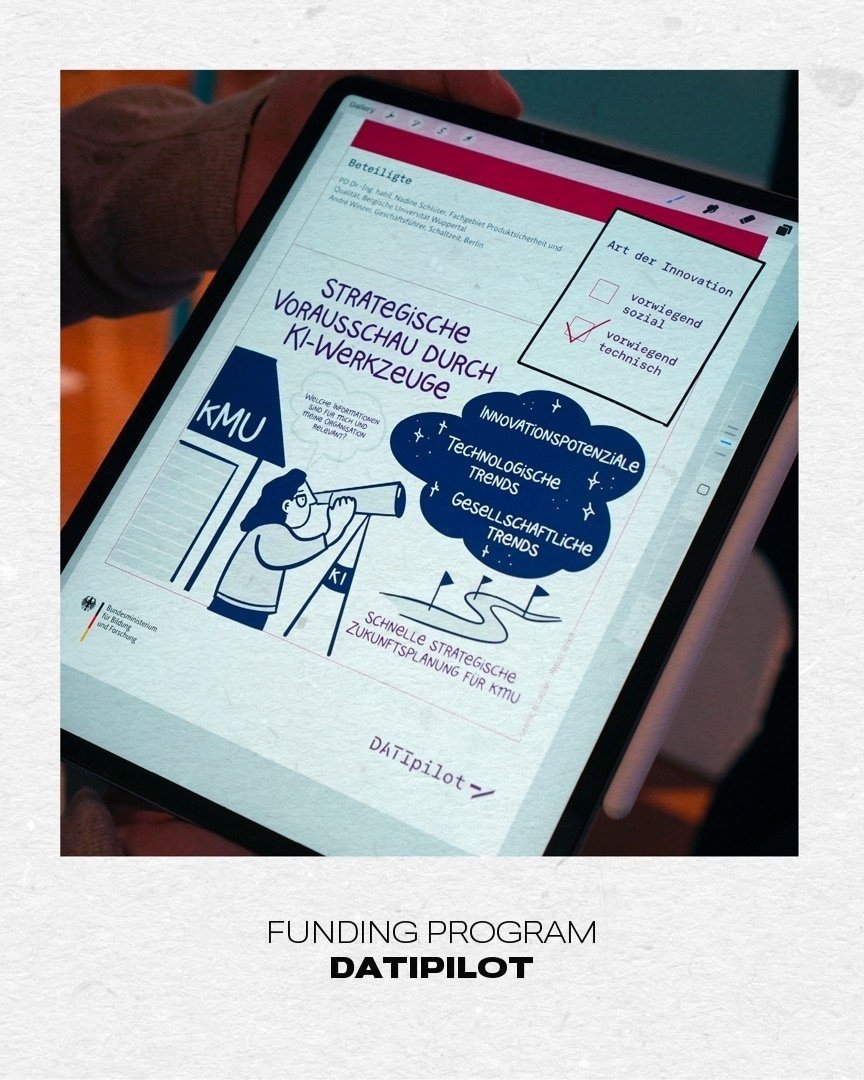
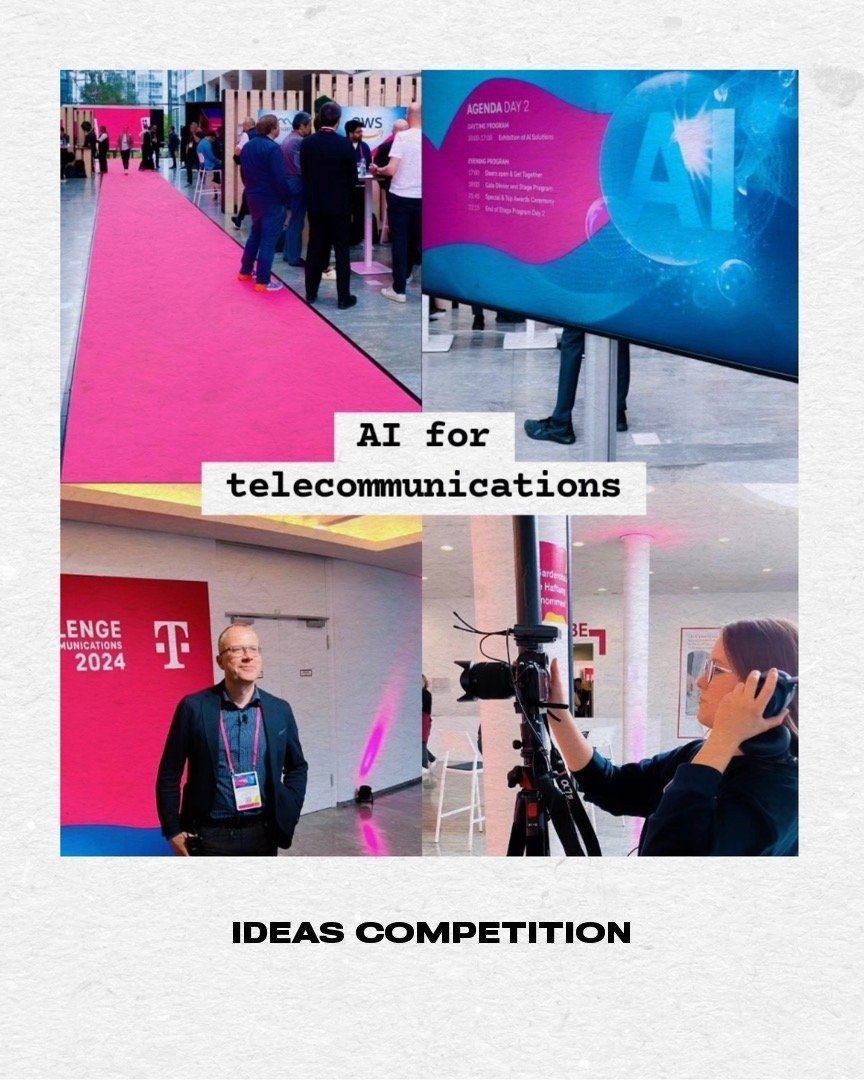
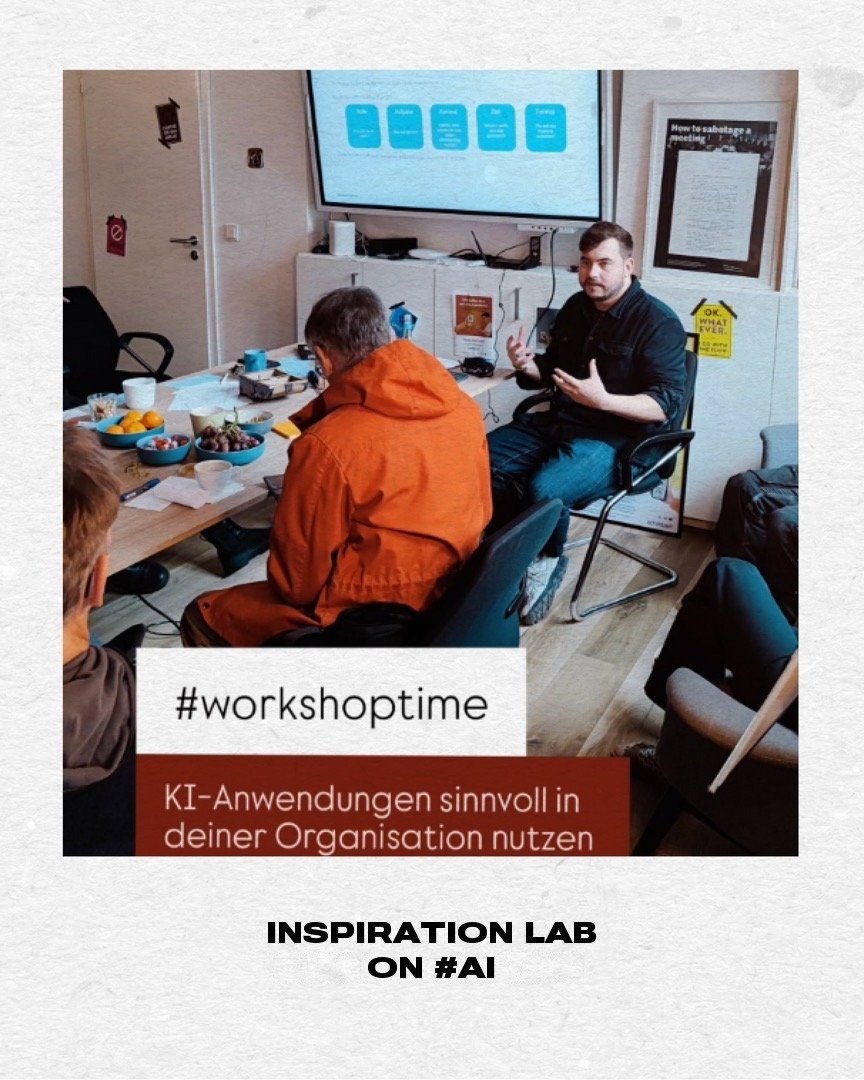
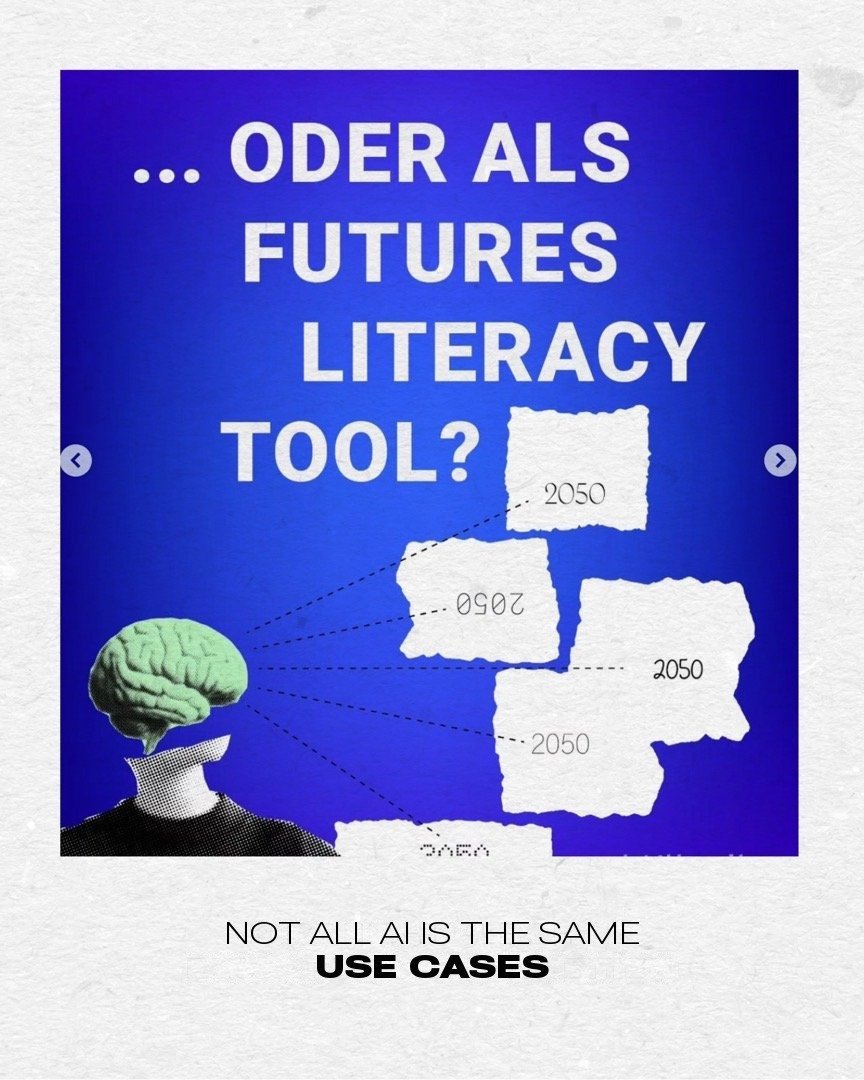
From 2020 on, we systematically implemented AI in foresight processes, including for the strategic foresight of a German federal ministry. Since then, we have explored a broad spectrum: horizon scanning with agents, automated clustering and imagery, generated scenarios, process workflows with flexible LLM interfaces, support for innovation competition workflows, radars as automated meta-studies, low-threshold futures literacy applications like our Scenario GPT – and most recently vibe coding experiments, with which we try out new ways of translating ideas directly into working tools.
While a few years ago many players in the foresight field were still debating mostly in theory – AI in foresight: promising or unprofessional? – we tried things out hands-on and discussed our experiences & assessments: What is conceivable? What works? What does it mean? Do we want this?
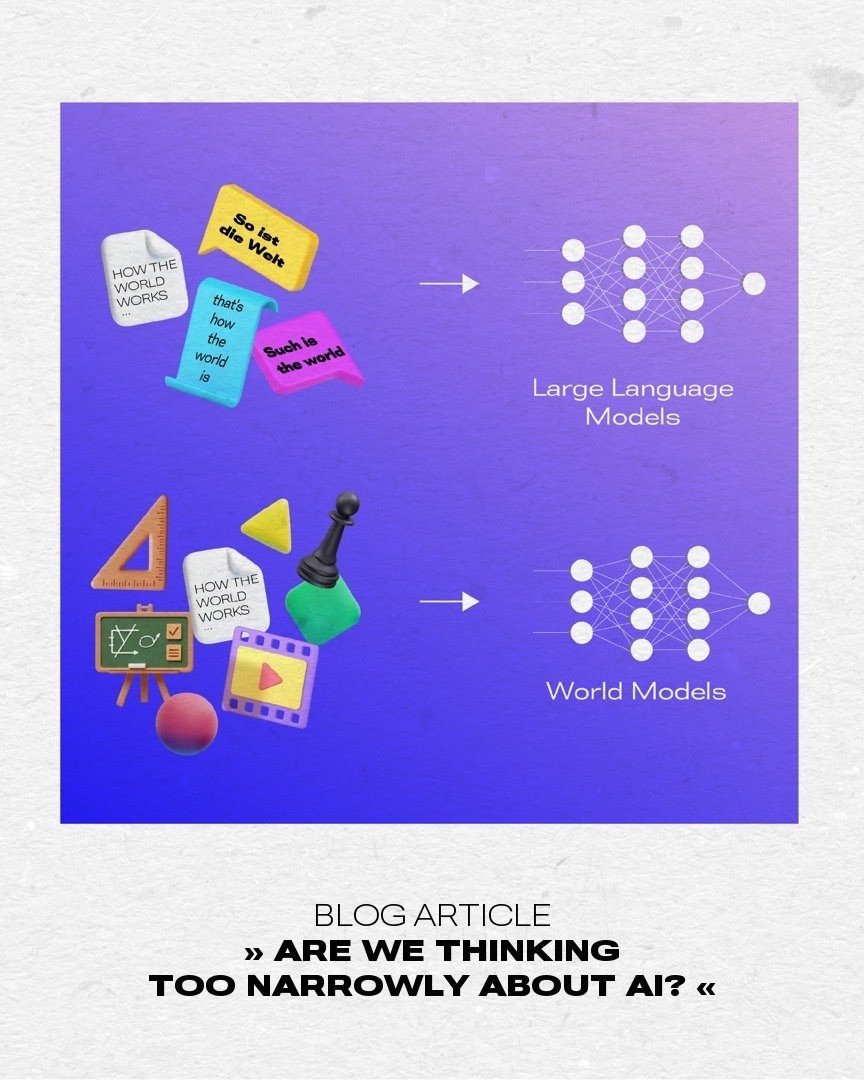
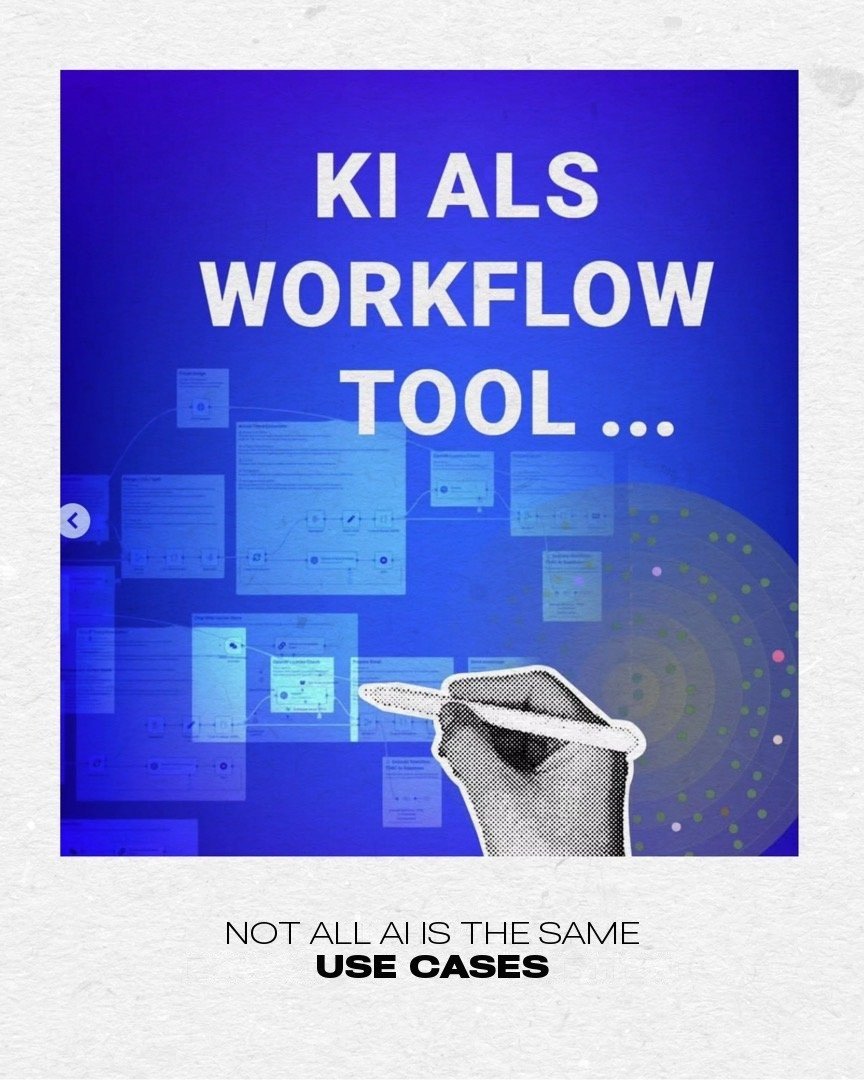
One thing is clear: not all AI is the same. There is a wide spectrum between a simple custom GPT and a structured workflow system – and the decisive question is rarely “Should I use AI?”, but rather “What do I actually want to achieve?”, and only then whether and how AI can be put to good use.
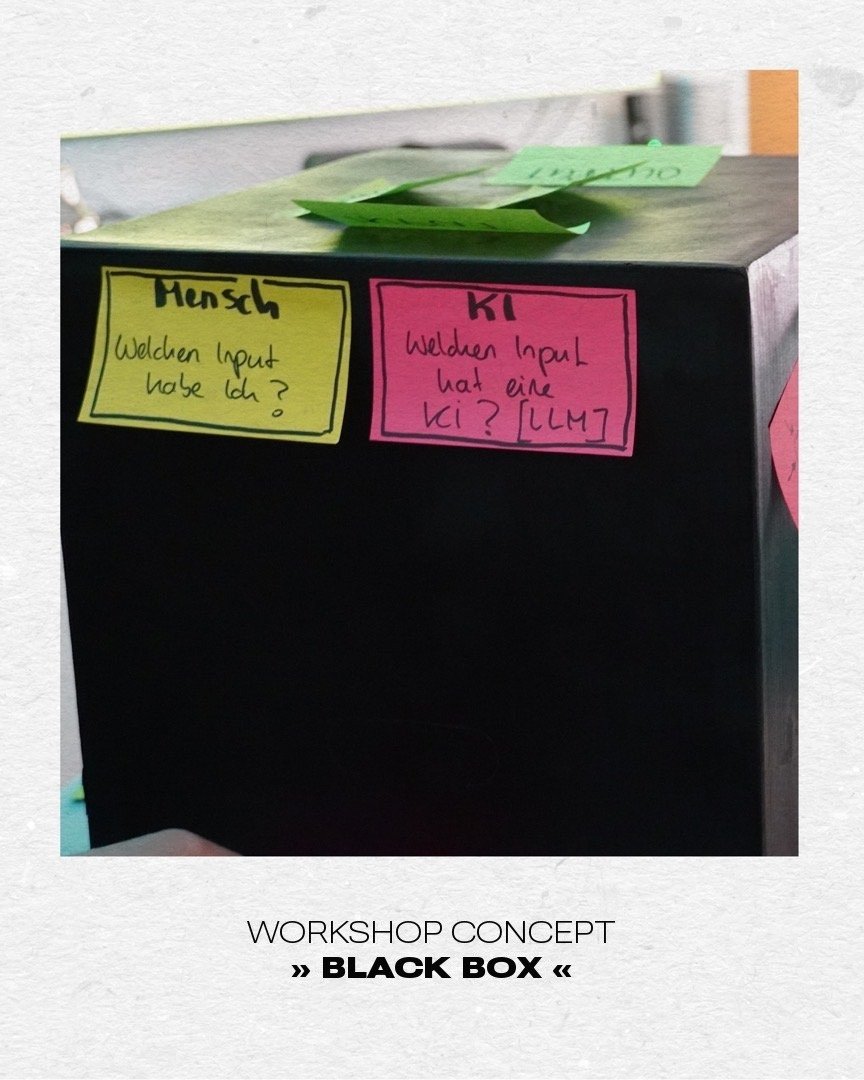
Again and again we notice: the ability to write a good prompt or set up a working automated workflow doesn’t replace the knowledge you need to put the results into context. The real question of competence often shifts away from technical feasibility toward “Who strikes a good balance between pragmatic efficiency gains and critical review?”
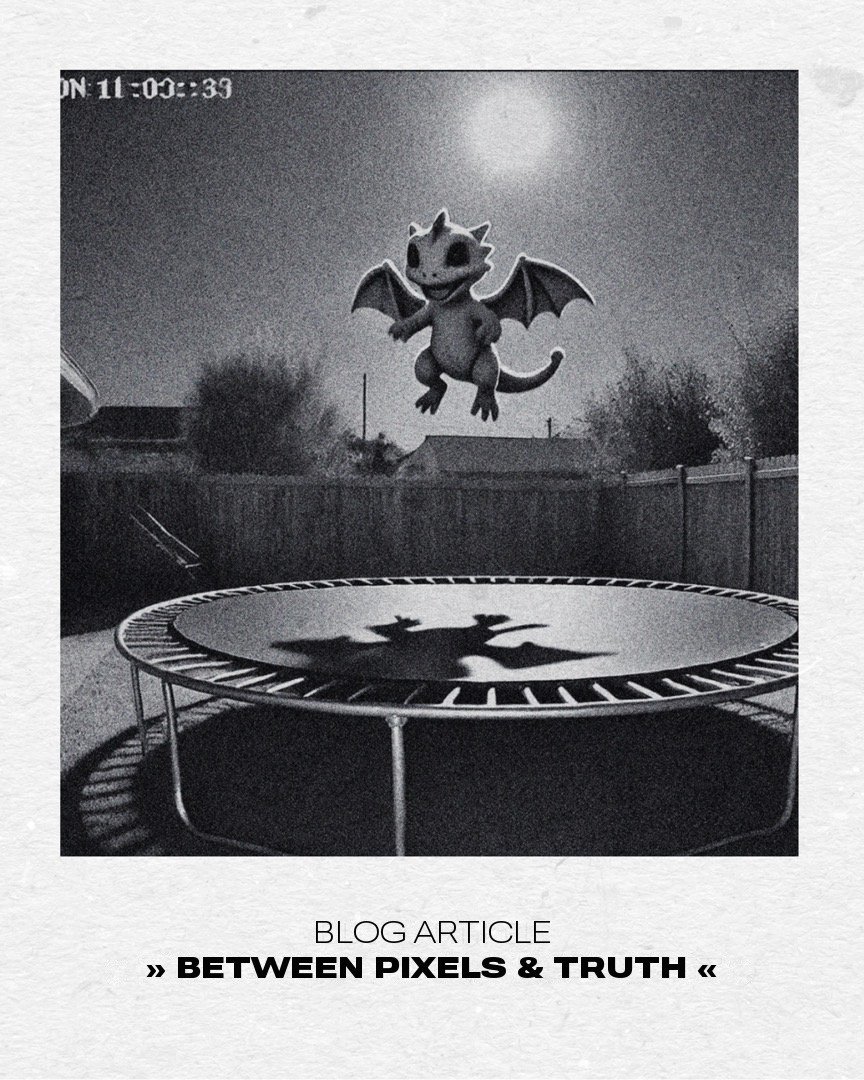
On top of that come structural questions we can’t ignore: good models are expensive and not affordable for everyone. Power structures and biases perpetuate themselves in algorithms. And where synthetic images, texts and videos are increasingly hard to tell apart from reality, the focus shifts from information to verification. How are our forms of evidence changing? What does that mean for our trust in knowledge? What does it mean for the (data) foundation of foresight processes?
What we used to think about trend reports:
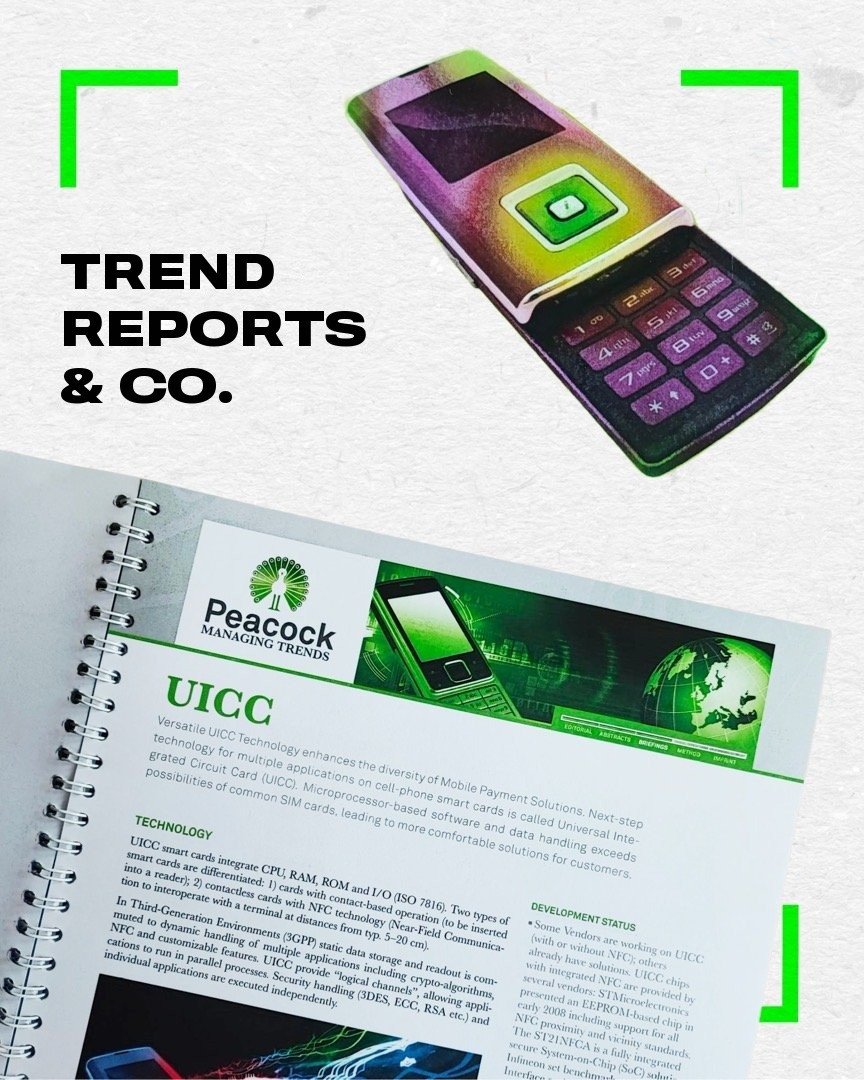
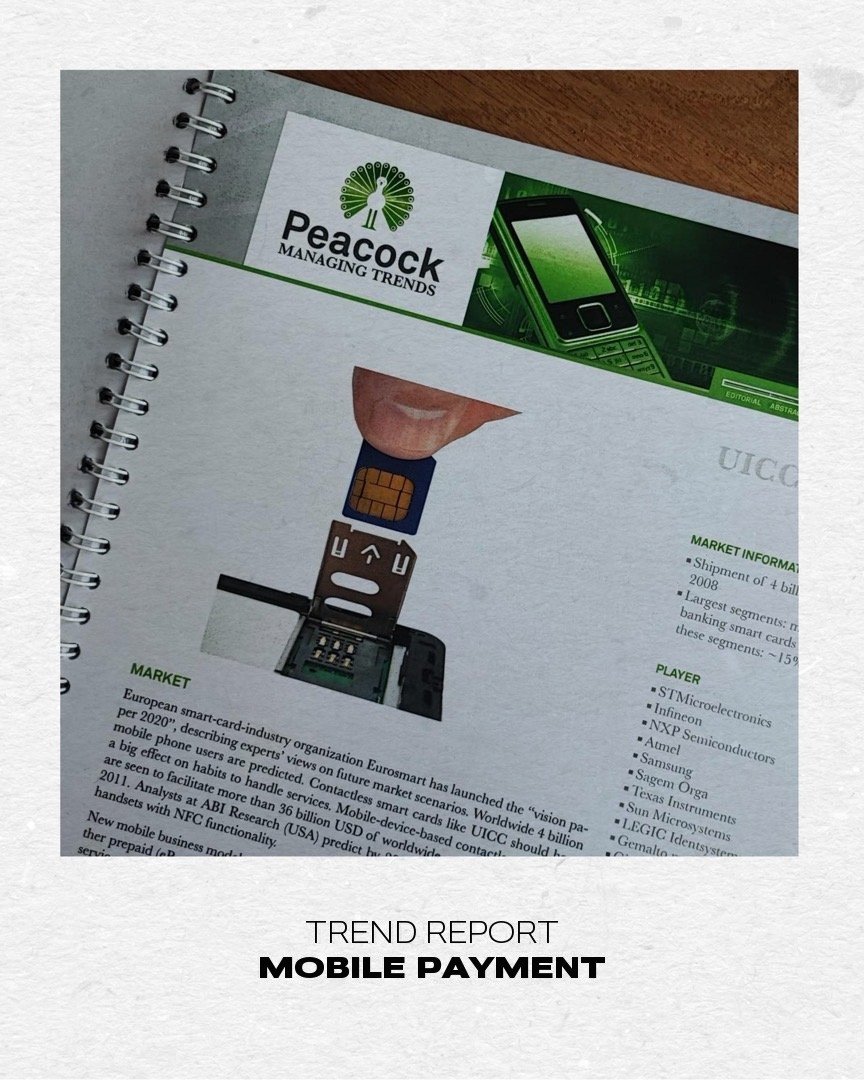
Our own trend report brand was another venture from Schaltzeit’s early days. Economically, the economies of scale and scope were obvious: established providers easily charge five-figure annual fees for report subscriptions – while limiting them to a handful of readers. That sounded like music to our ears. It wasn’t. If you want to make money in the trend report business, you need either the market power of an established industry brand – or a model in which not only the subscribers pay, but also the solution providers.
We watched other providers give their trends neologisms like “ShyTech”. We thought: we can do that too. Ad hoc scouting, quick reports, our own ecosystem with cool terms.
“Back then, we had the illusion that we could become a brand of our own.”
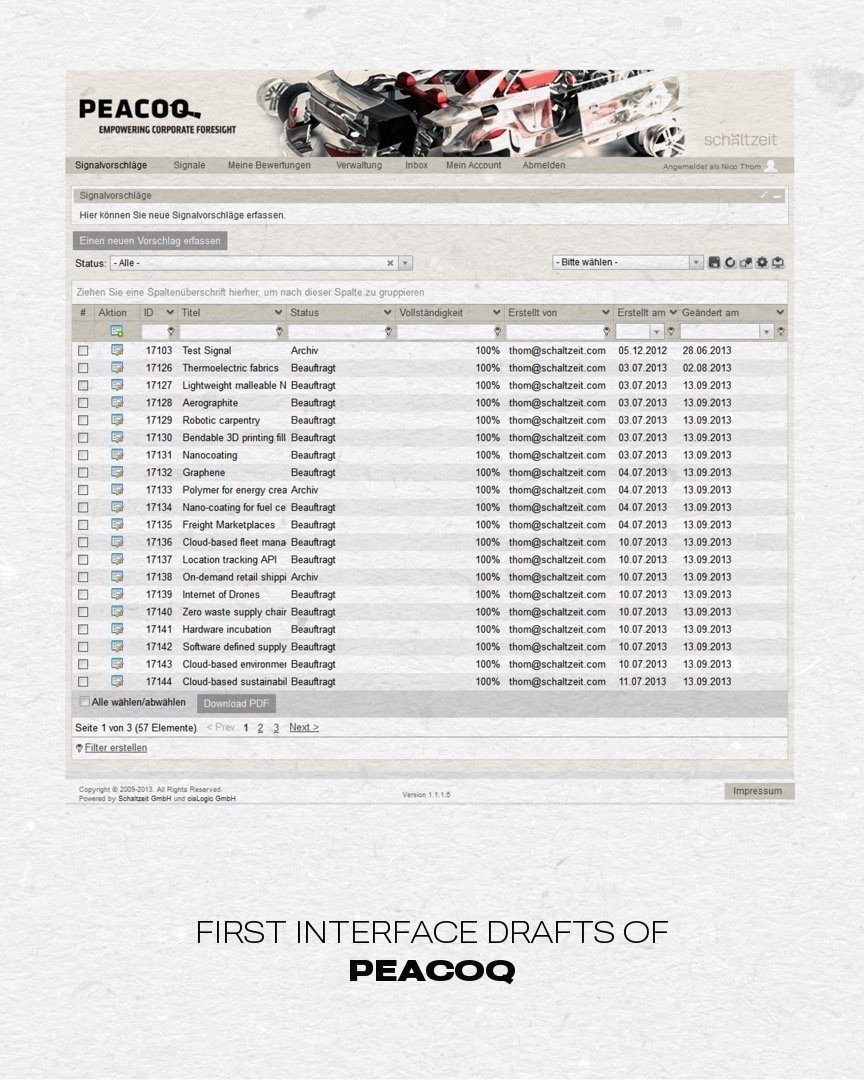
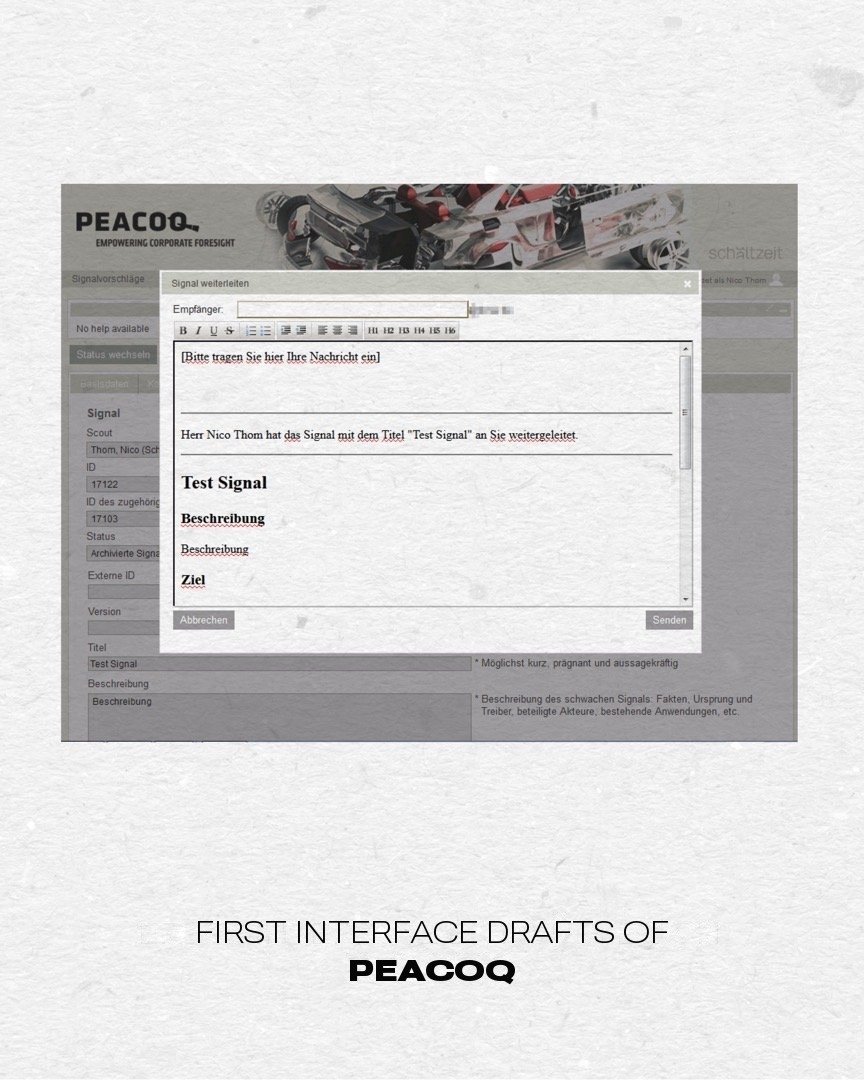
That was also when the first versions of our software PEACOQ (back then still “Peacock”) were created: a trend database as the basis for the reports we wanted to sell. Why we chose the peacock as our namesake: “With its feathers, it has a fan like a trend radar – and an incredible number of eyes.” Later we found out that, as it happens, the peacock doesn’t have such a great reputation in the so-called foresight zoo. The animals of the foresight zoo are metaphors for various foresight phenomena. Alongside the black swans, gray rhinos, the “boiling frog” and the red herring, there is also the peacock. It stands for (populist) diversionary tactics in which a proud peacock draws so much attention to its narratives of the future with its splendid plumage that more important future issues disappear unnoticed into the background.
Naming aside, what we quickly realized: a trend report brand needs either an enormous amount of marketing or a strong scientific reputation through recognized institutes. We had neither.
“The willingness to pay wasn’t there. Nobody wanted to pay for Schaltzeit reports.”
What did work, however, was white-label research: companies pay when the report is published under their own brand.
One expectation of the future back then: data analyses would become ever more comprehensive – and since more data leads to more clarity, strategic decisions could become increasingly easy. What we learned quickly: the real problem is rarely a lack of knowledge. Instead, it is often a lack of capacity or of institutional structures to deal strategically with the knowledge at hand. That’s how PEACOQ’s applications evolved over time, too.
Over time, PEACOQ evolved from a classic trend database with nicely laid-out trend reports as the end product into a system that maps the individual ways foresight, innovation and community management are conceived in an organization, for example in combination with Futures Literacy formats. With room for demanding discussions and the search for your own blind spots.
What remains?
Asked what has fundamentally shifted in 20 years, André answers without nostalgia:
“I don’t get high as quickly anymore. I don’t immediately think every topic will spark a world revolution – I’ve seen too many hypes for that.”
You’ve lived through too many cycles: too many things that were supposed to go through the roof and didn’t; too many things that were laughed off and then did after all. E-cars were laughed off. Second Life was taken seriously. Voice assistants came, went, and are coming back.
That doesn’t mean giving in to cynicism or throwing in the towel in paralysis, but rather taking a step back more often – not only to question how new technologies could potentially change the rules of the game, but also to question which game you’re playing when you look at those technologies in the first place.
What hasn’t changed: curiosity. And the conviction that good futures work happens where people – with whatever tool – want to think and create in a motivated, creative and context-aware way. Twenty years ago with Flash radar animations on polished stainless steel columns and Excel macros. Today with LLM workflows, Futures Literacy and vibe coding prototypes. The aspiration has stayed the same. We want to support knowledge management and learning processes in order to help shape the future. To do that, we no longer just construct trend analyses and future scenarios, we also deconstruct the standpoints behind visions of the future to question their thought patterns: whose future are we actually imagining here – and what assumptions are we building on? Where is it still worth critically questioning the rules of the game?
Let’s see what we learn over the next 20 years.