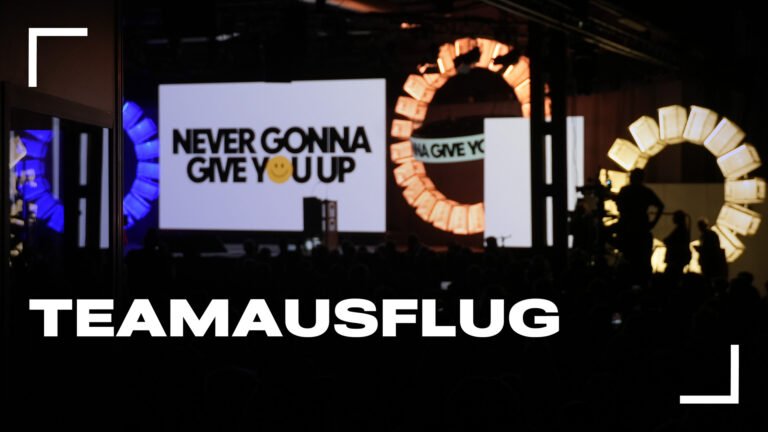
At the Entrepreneurship Summit 2013 (October 19–20 in Berlin), I had the opportunity to discuss “High Tech Entrepreneurship” together with Dr. Harris and Dr. Bub. Together on the panel, we took on questions around this topic.
This area of entrepreneurship is aimed primarily at technical disciplines. The corresponding continuing education is above all about not just building what is technically possible, but developing an understanding of the market. As a rule, these students have no entrepreneurial component in their training that could help them commercialize their creations. Dr. Harris worked at Intel for more than 30 years and designed educational modules intended to help commercialize “technical inventions.” After retiring, he founded Innovaventures to bring his knowledge to high tech startups and take them through to the VC phase. Dr. Udo Bub also looks back on many years of experience in innovation, including as a long-standing member of the management board of Telekom Innovation Laboratories. He is now managing director of EIT ICT Labs Germany GmbH, where he drives the topic of high tech entrepreneurship with initiatives such as the Software Campus and the EIT ICT Labs Master School.
The starting point is always a “technical invention”; only then is the company founded. True to the motto “V.C. follows profit,” technical innovations must be linked with emotions and, in the early phase, above all “create and measure virtual value” in order to hold out until the point in phase II where the business model – the “business innovation” – is found. Only then can the market be conquered in phases III and IV through professional management.
Prof. Harris says: “High tech entrepreneurship only works with professional entrepreneurs. Technologists absolutely must be trained in entrepreneurship!!!”
Dr. Udo Bub of EIT ICT Labs spoke mainly about the opportunities for education and training. He referred to the Master School program and the Software Campus, where aspiring high-tech entrepreneurs are actively supported through knowledge transfer. The Master School’s Innovation & Entrepreneurship module teaches the fundamentals, and part of the master’s thesis is a business plan for a real innovation project. The Software Campus [http://www.softwarecampus.de] focuses on training leadership skills in the ICT sector through mentoring by top managers.
At this point, I would once again like to warmly thank Dominik Schmidt, whose documentation – in exchange for a jar of honey – made this summary possible in the first place.