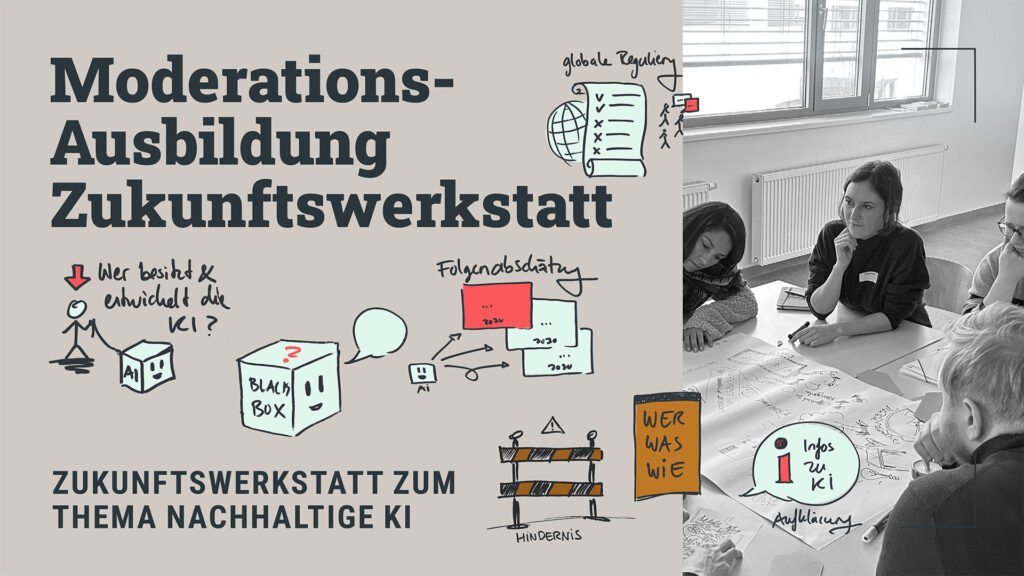
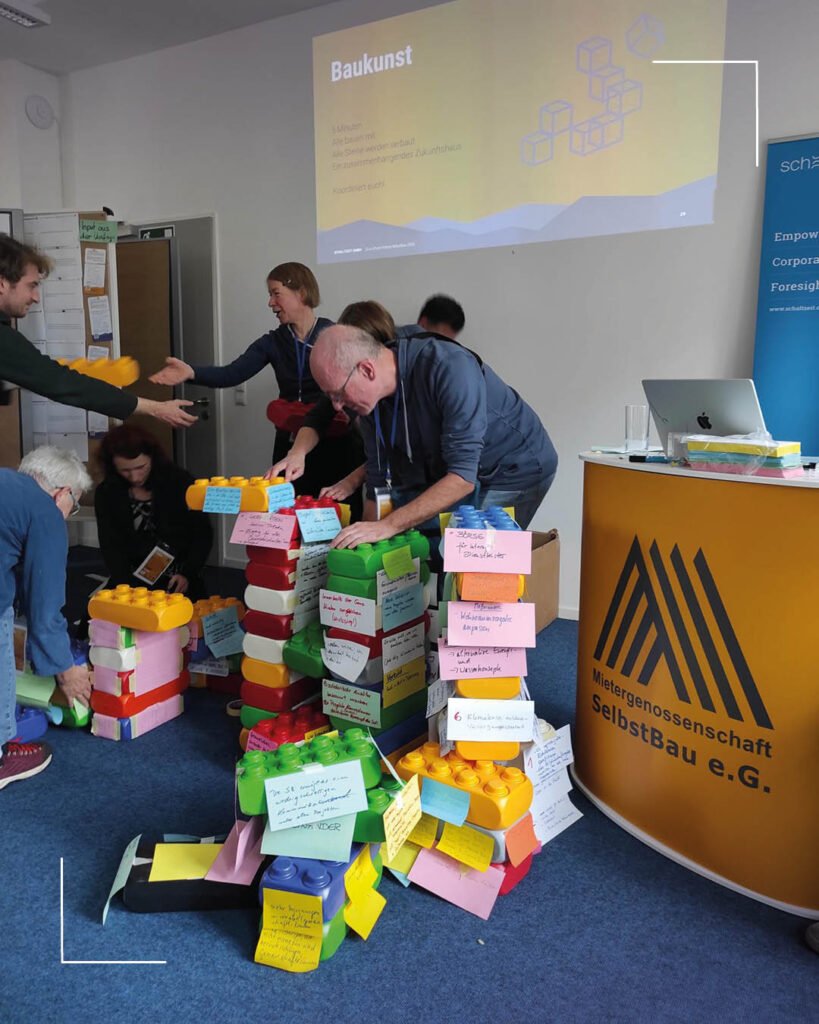
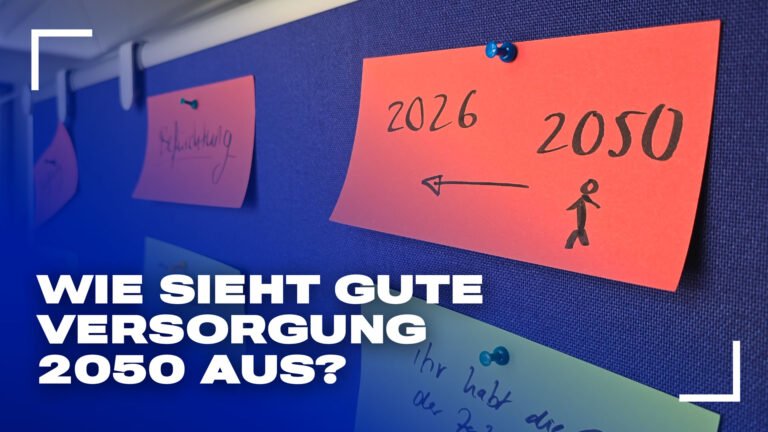
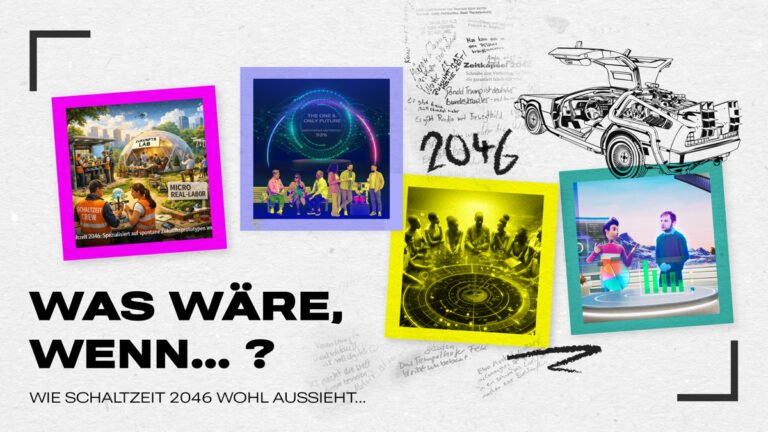
What are we Berliners best at? Griping about everything that’s going to hell. To make criticism a starting point for shaping the future rather than an obstacle, the participatory method of the futures workshop is a great fit. It combines critique with imagination and ideas for implementation. Last month, Maggy headed to Salzburg to attend a training course at the Robert Jungk Library for Futures Studies.
Background: Robert Jungk
The Austrian futurist, writer and activist Robert Jungk developed the futures workshop as a method for turning criticism into constructive future-shaping. Born in the spirit of the 1970s – when political impulses such as Willy Brandt’s call to “dare more democracy” brought about far-reaching change and environmental movements gained momentum through the Club of Rome’s report “The Limits to Growth” – the futures workshop reflects society’s search for new ideas and a new way of thinking. Jungk’s approach of thinking ahead and questioning existing circumstances is captured in his statement: “Whoever wants to shift the circumstances of the times is branded as crazy – quite right! In his mind he has already shifted to where history will only arrive tomorrow.” – His plea to shift one’s own perspective toward desirable futures instead of remaining stuck in criticism.
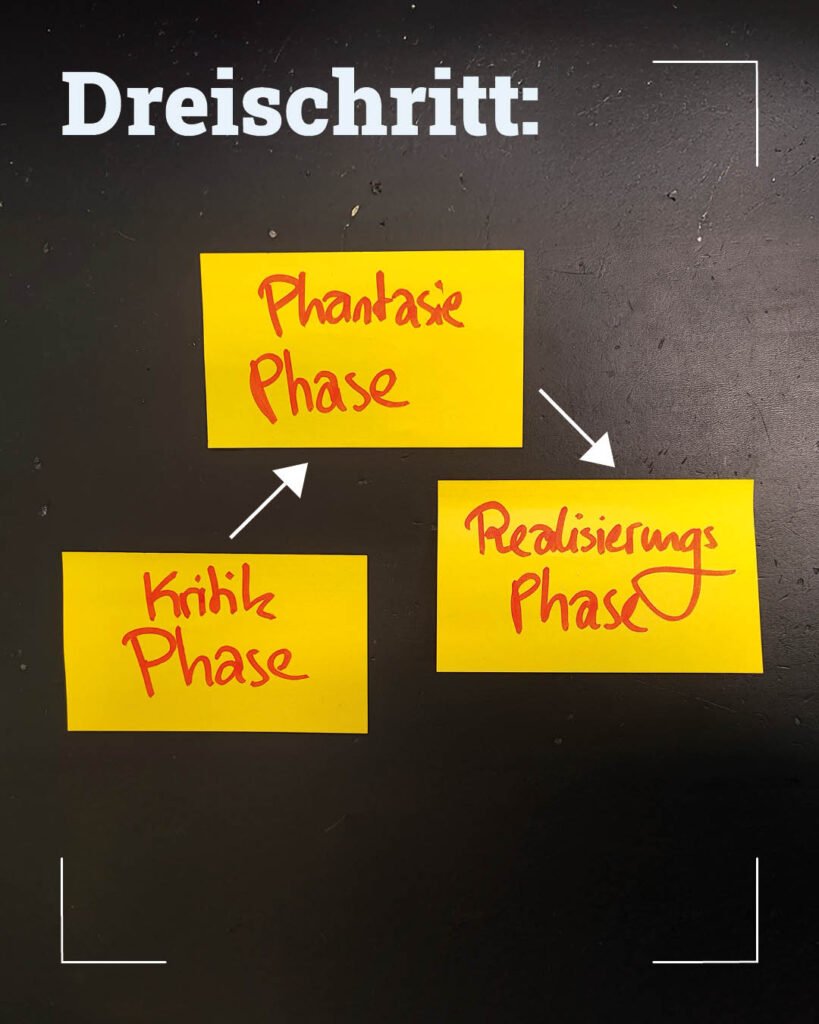
Three phases: critique – fantasy – implementation
Regardless of the numerous further developments and variants, a futures workshop essentially consists of three steps: first, in the critique phase, participants set out their view of existing problems and challenges. In the subsequent fantasy phase, wishes and visions are developed – a creative, intuitive space meant to enable utopian thinking. Starting from these utopian (unattainable) images, the implementation phase identifies (attainable) ideas and develops small project outlines that can pave the way to the desired future.
Goal: “Turning those affected into those involved”
The overarching goal of the futures workshop is to strengthen democratic participation in transformation processes. Jungk emphasized this invitation to actively help shape things in his motto: “We should not ask people what they expect from the future, but how they will help shape it.”
For the leap from frustration and criticism toward desirable images of the future and dreams to succeed, sensitive facilitation is crucial. Handling participants with care – giving everyone room to contribute, letting everyone have an equal say, curbing dominant opinion leaders and encouraging the courage to come up with creative, unconventional ideas – is key to a successful workshop.
Gold nuggets: the key insights I’m taking away
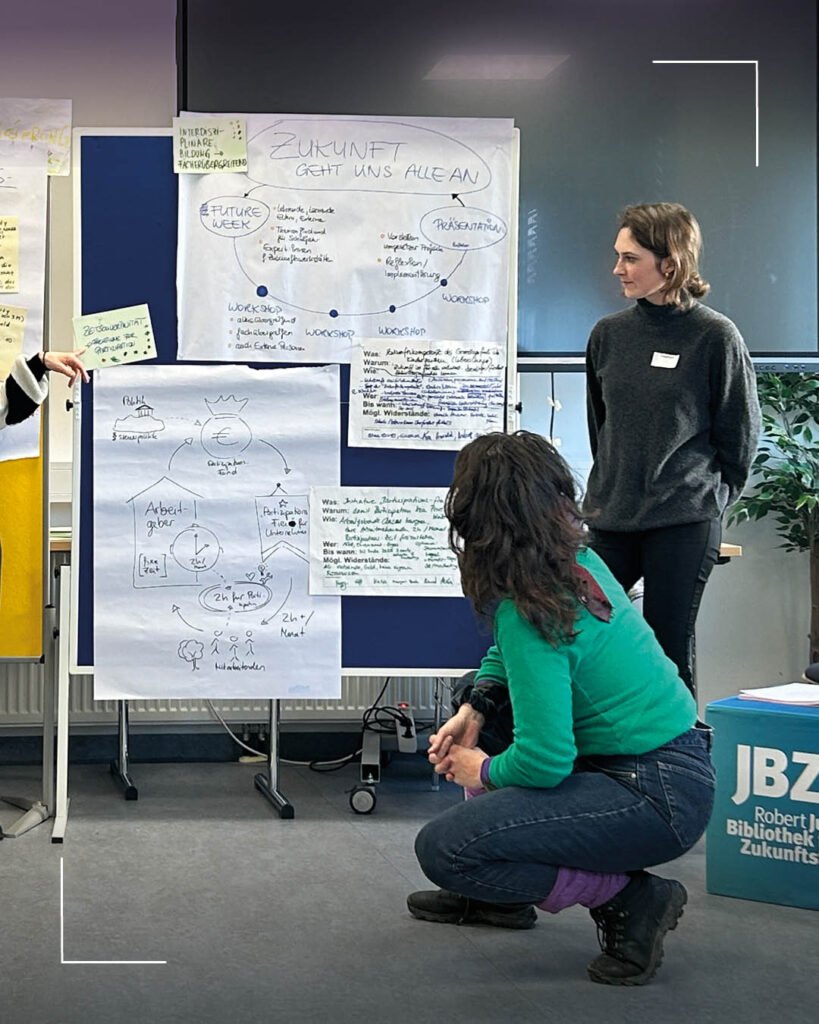
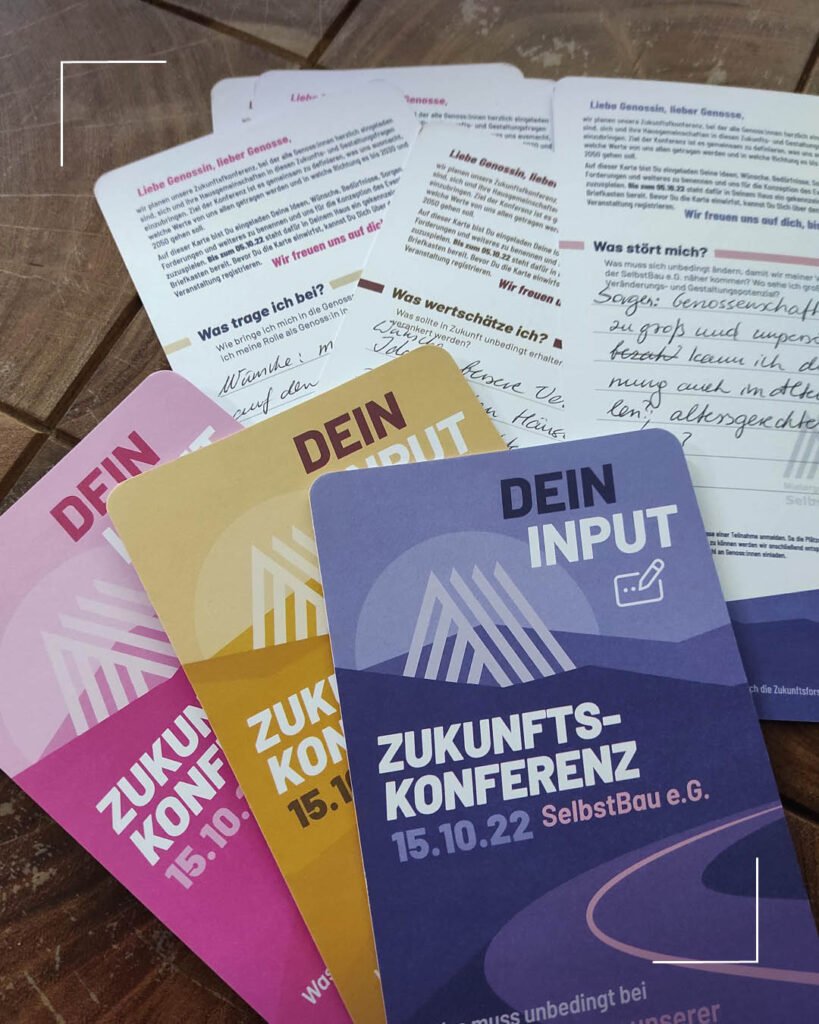
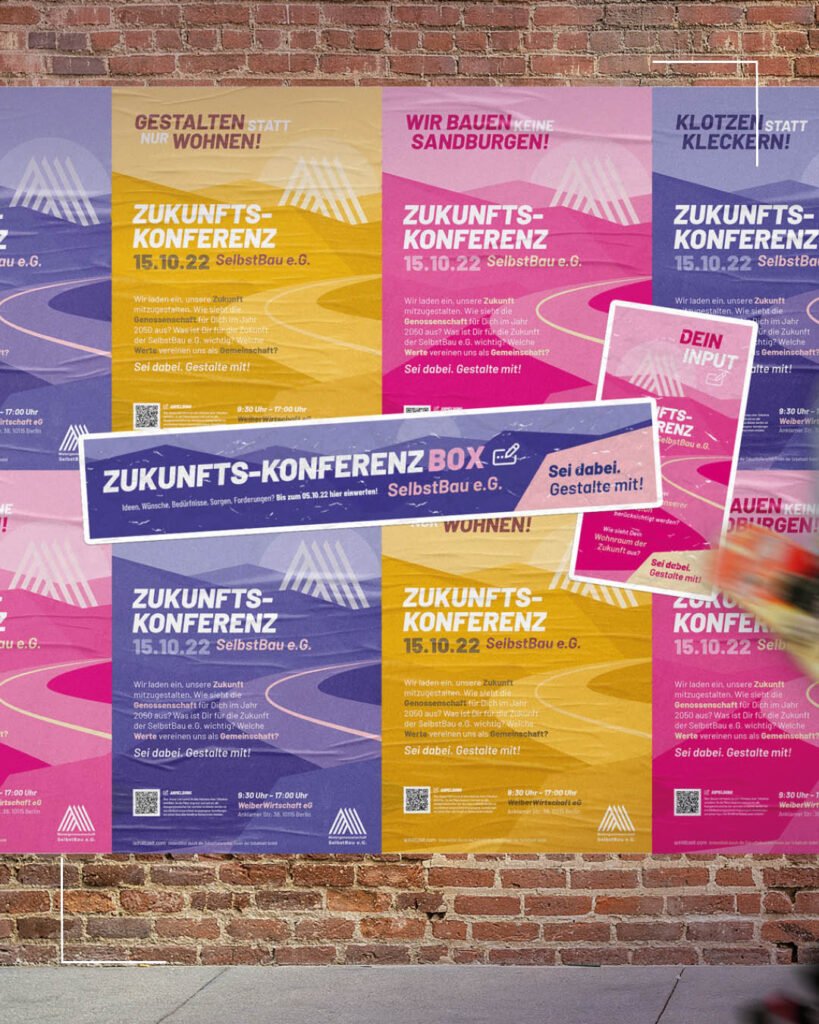
Back in 2022, I had the chance to gain my first experience at Schaltzeit with an interactive futures workshop format for the cooperative SelbstBau e.G. That workshop gave me a first impression of the motivating, creative power of participatory approaches. In Salzburg, thanks to valuable feedback, I was able to analyze and contextualize the experience I’ve gathered in recent years even more clearly – especially with regard to the dynamics within workshop groups.
Observing the practice workshops held there, where I saw how other facilitators handle different group situations, also showed me how valuable small tricks can be – for instance, when participants become skeptical of the general approach, simply asking, “What do you need right now to keep working in the group?” – to get the group process moving again and make sure a group doesn’t get bogged down in disruptions.
I’m now taking these insights into my future work at Schaltzeit, where we create spaces for creative exchange and shaping the future together in a wide range of formats – whether for our clients or as an open invitation to our Berlin neighborhood. For example, at our upcoming workshop on lobbying & dynamic laws or our CLA evening: feel free to drop by!