What worlds collide when business representatives and political bodies sit down at one table to discuss future-proof laws? How can foresight enrich these processes? A lobbyist from the Bundestag shared his insights.
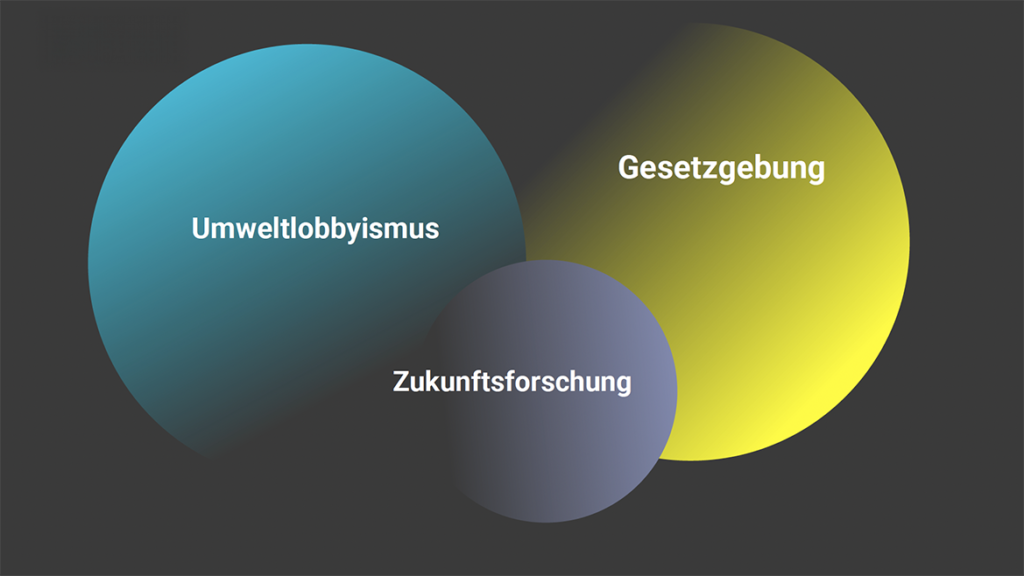
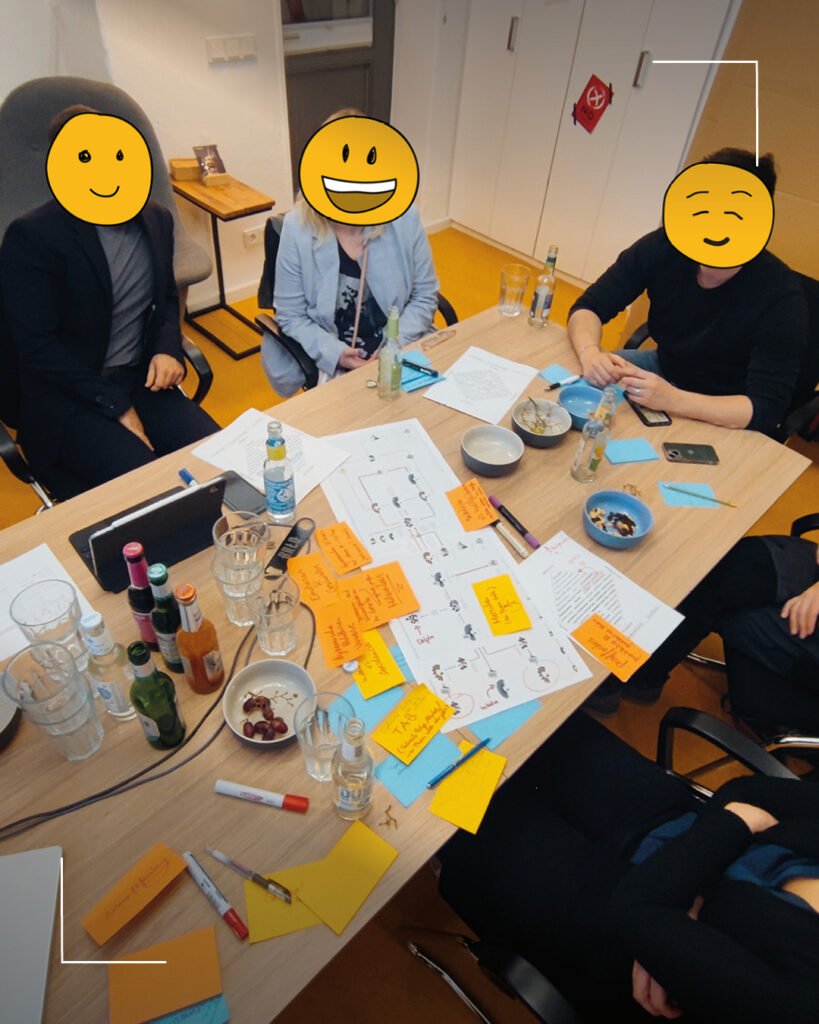
Last week, we held a workshop in which a small but select group of futures studies students, people with work experience in ministries and foresight professionals explored the topic of environmental lobbying. It was not only about how environmental lobbying works, but also about the opportunities it opens up for actively helping to shape future, resilient laws – keyword: dynamic legislation.
Insights into the world of environmental lobbying
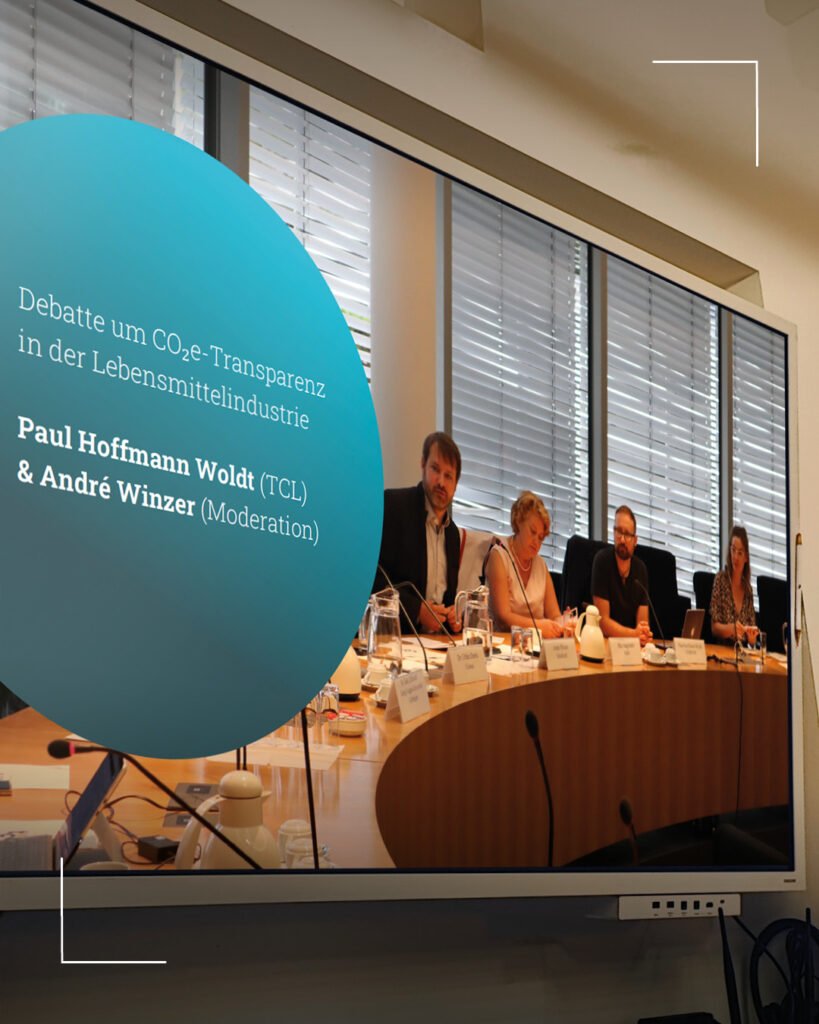
The workshop began with input from Paul Hoffmann-Woldt – an environmental lobbyist with the Together for Carbon Labelling initiative, which worked with staff of the German Bundestag on a CO2 label. Paul shared insights into his day-to-day work as an environmental lobbyist, opening up a new perspective on how business and politics interact in the environmental field. This impulse served as a starting point for then shedding light on the potential for influence in the legislative process.
A look at legislative processes and opportunities for influence
A key aspect that came up again and again in the workshop was the role of individuals and bodies, such as committees, in shaping laws. Together, we worked out that these key actors can be supported by targeted methods – such as foresight methods. The goal is to see laws not as rigid documents but as dynamic instruments that can evolve on their own.
Such a dynamic approach includes:
- Feedback loops: built-in mechanisms that make it possible to gather feedback regularly and adapt the law.
- Inherent agendas: structures that define when and how the law should be reviewed and amended.
Although concepts such as sunset clauses or dynamic references to guidelines already exist, it is clear that these approaches do not yet go far enough to create truly adaptive and resilient laws.
Futures studies in the legislative process
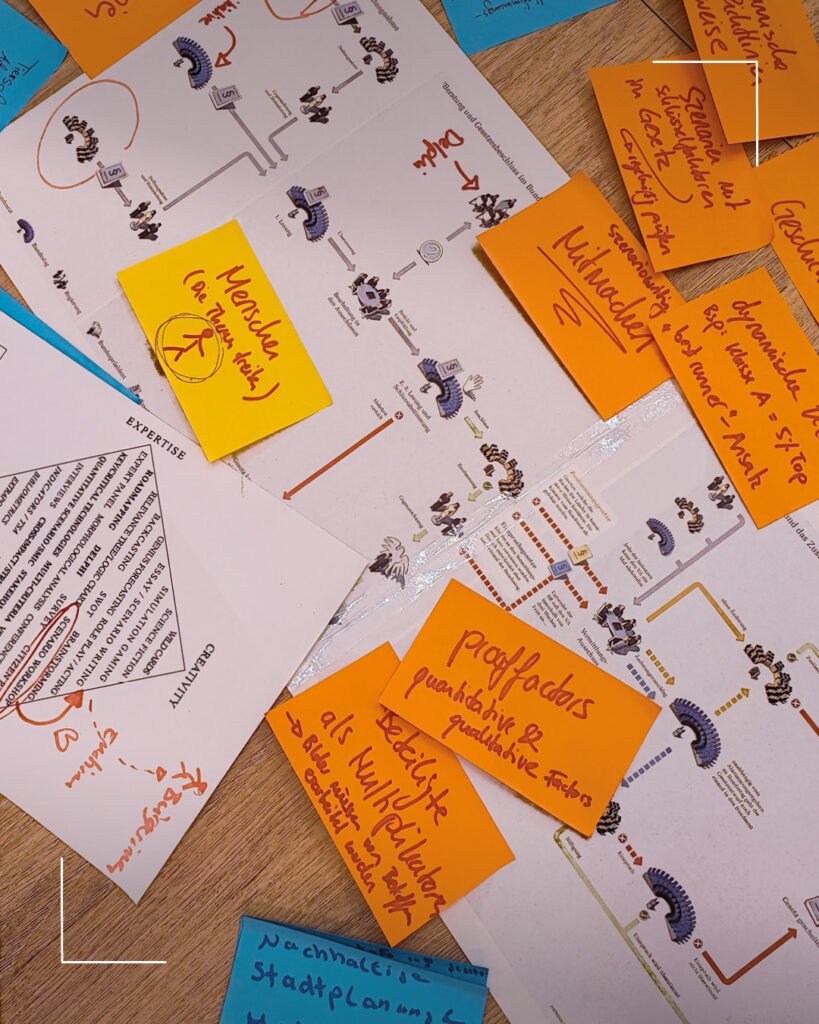
Another highlight of the workshop was the in-depth exploration of various foresight methods and their potential added value for (dynamic) legislative processes. The fundamental questions of foresight resonate here: can reliable knowledge about the future be gained? Is the focus on evidence, or on imagination, communication and emotion? How do we deal with (unavoidable) uncertainty? The added value of qualitative approaches compared to quantitative ones was seen as genuinely illuminating for debates about laws and their future implications. Scenario workshops, which enable the interactive and participatory design of future scenarios, deserve special mention.
What mattered to us:
- Involving diverse parts of society: the scenarios should not be developed exclusively by futurists or academic expert groups. Involving multiple societal actors creates broader ownership, so that the scenarios developed and the resulting implications for the law lead to a real multiplier effect.
- The multiplier role: the people involved can act as multipliers and thus anchor the newly developed law in society.
Finally, in a discussion, we filtered out the methods from the Foresight Diamond that suit us and defined concrete steps for future projects.
People rather than process steps
The decisive starting point for integrating foresight turned out to be less a specific moment in the legislative process than the people who accompany that process. As our analysis of legislation showed, it seems advisable to focus on specific people in politics rather than on particular procedural steps – ideally through capacity building (keyword: Futures Literacy) rather than externally commissioned expertise. With regard to the process, of course, the earlier foresight is involved, the better – ideally even before the legislative process begins. With futures skills anchored in the minds of the institutions, that would already be a given.
Conclusion
The workshop was a success and showed how environmental lobbying and future-oriented legislative processes can go hand in hand. Combining practical lobbying strategies with innovative futures research methods opens up exciting perspectives for making laws more dynamic and adaptable. We look forward to continuing on this path and, together with committed multipliers, setting the course for resilient legislation.
Stay tuned – in a democracy, the future is shaped interactively and participatively!