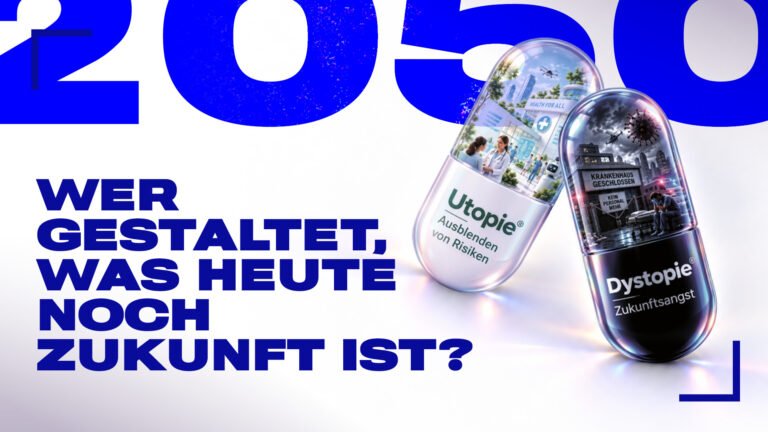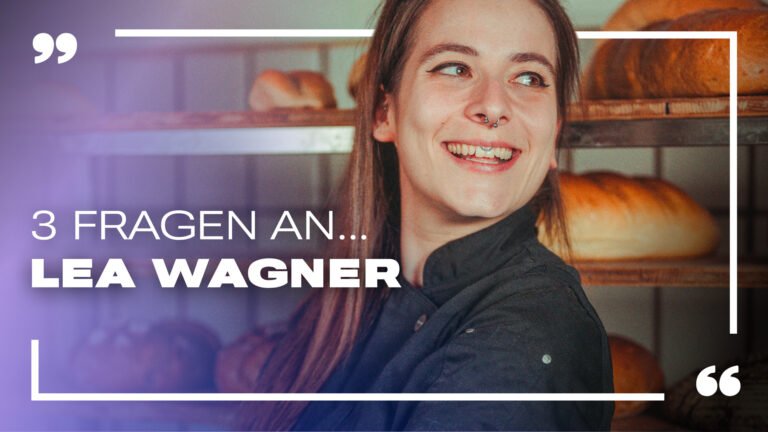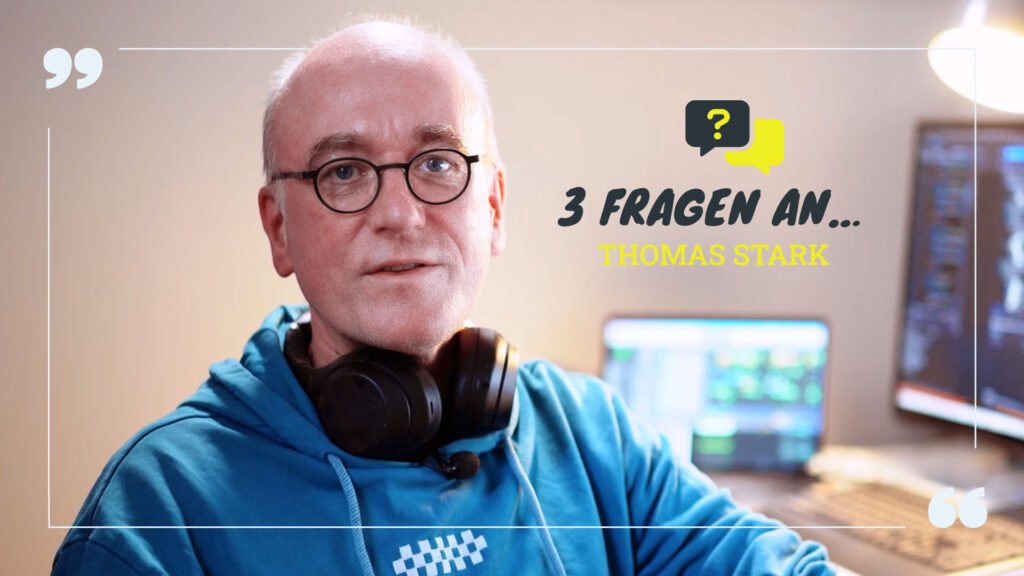

In the first edition, we talk with Thomas Stark – lead developer of our jointly developed software application PEACOQ – about the future of software development through 2035. He explains how automation, artificial intelligence and quantum computing will boost productivity and open up creative possibilities, but also what challenges arise from increasing system complexity and security threats. He also gives an outlook on the PEACOQ roadmap and looks back on the past few months.
What futures do you see for software development?
Thomas: As a software developer with more than 36 years of experience, I look at the future of programming through 2035 with mixed feelings. The world is becoming more demanding. We need to learn to outsource routine tasks to AI so that, in addition to the performance, design and security of applications, we are also ready for the new requirements.
At the same time, it’s nice to have “co-developers” on board in the form of virtual colleagues who can scale complex code.
What did you work on in the first half of the year?
Thomas: In developing the PEACOQ platform, we focused primarily on AI integration and linking. We created an AI interface that lets us connect AI models like ChatGPT directly.
What are your plans for PEACOQ in the second half of the year?
We’re planning to integrate a chatbot, which means it will be possible to interact with existing content in the future. In addition, speech-to-text integration will let us interact in natural language. This template-based system is designed to be adaptable to different fields of application and will make full use of the potential.
We are also expanding PEACOQ’s team features. This means team entries, including permissions, can be edited jointly. The new @mentions feature makes selection easy and enables cross-references within the platform. Team members can assign rights and roles themselves and have a team workspace where they can store data.
We want to take the display of links to a new level, capturing different effects and directions. The network graphic will also be interpreted.
Thank you, Thomas, for the insights!
What other features would you like to see? What would you focus on when implementing AI? Share your experiences and recommendations with us – by email, on social media or at our events. We look forward to your insights and love being inspired!