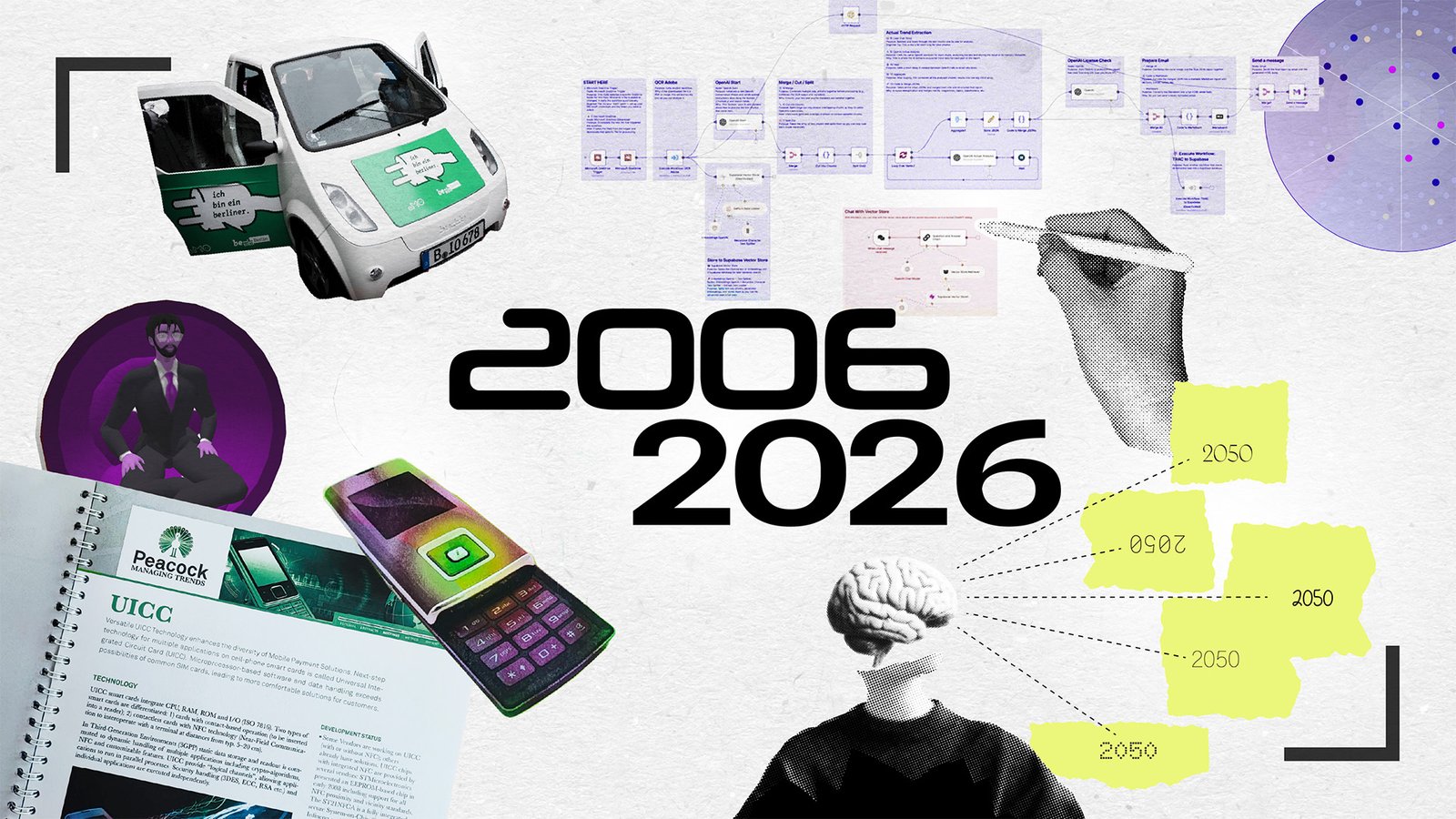

The vision of the future that the „summer fairy tale” once represented has expired. Still, we shouldn’t completely discard it. What does a futurist make of the nostalgia surrounding the 2006 World Cup?
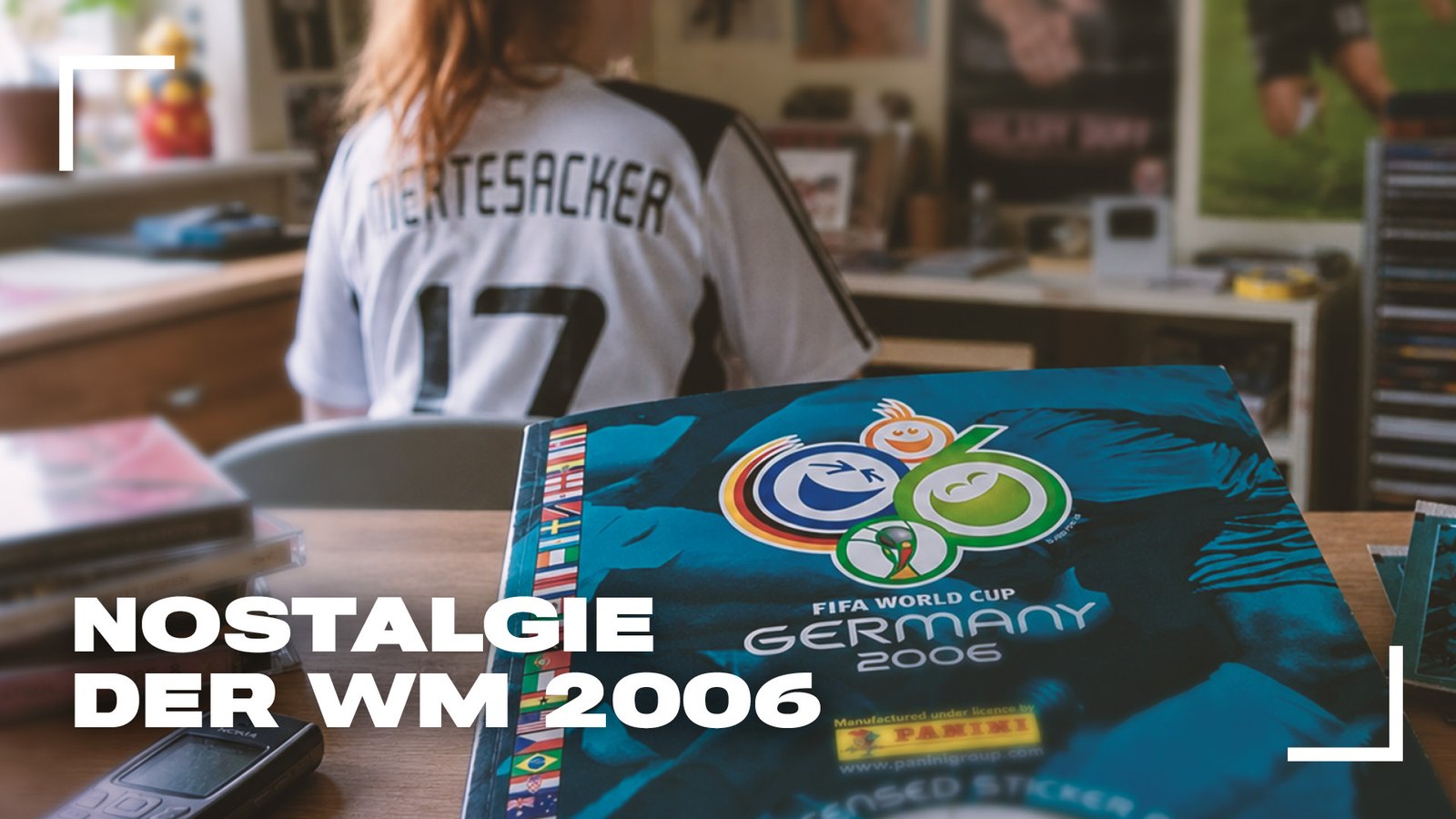
That was 20 years ago. The Sommermärchen - Germany's "summer fairy tale" - and a country that reinvented itself for four weeks. Right in the middle of it: a twelve-year-old girl with her own version of that future.
Now the 2026 World Cup is under way. The biggest of all time: the most teams, the most host countries, the most air miles flown by a FIFA president. And it is precisely this tournament of superlatives that the German team is contesting (or rather: was contesting) in a retro-design kit that visually recalls, among other things, the shirts of the 1990 World Cup-winning side.
Why does an event that knows nothing but records reach for the past, of all things? And what are we carrying around with us when we rave about the Sommermärchen - a memory, or an image of the future long past its expiry date?
Image of the future vs. nostalgia image - two sides of the same present
Futures studies frequently works with images of the future: ideas, assumptions and perceptions of futures that may be desirable, possible, probable, or explicitly undesirable. The crucial point: even though they refer to the future, they are always anchored in the present. They reveal which values, needs and assumptions shape us today.
Nostalgia images work in a strikingly similar way, only with the direction of time reversed. Lilith Boettcher (2021) describes them in her master's thesis as bittersweet images that we create today of the past. They are not factual memories but imaginative, subjective, contextual and thus not only an expression of our longings, but also a mirror of the present.
Both types of image arise from the same irritations. When the present unsettles us, we imagine, sometimes forwards, sometimes backwards.
With the Sommermärchen, a third category comes into play that makes it special: it contains a past future. 2006 was not just a summer; it was a horizon of expectation. For a moment, a different national self-image seemed possible: open to the world, light, at ease. When we remember the Sommermärchen today, we are not just remembering a tournament. We are remembering a feeling about the future. That explains the peculiar force of this nostalgia: it mourns not only what has passed, but also a future that never came to be.
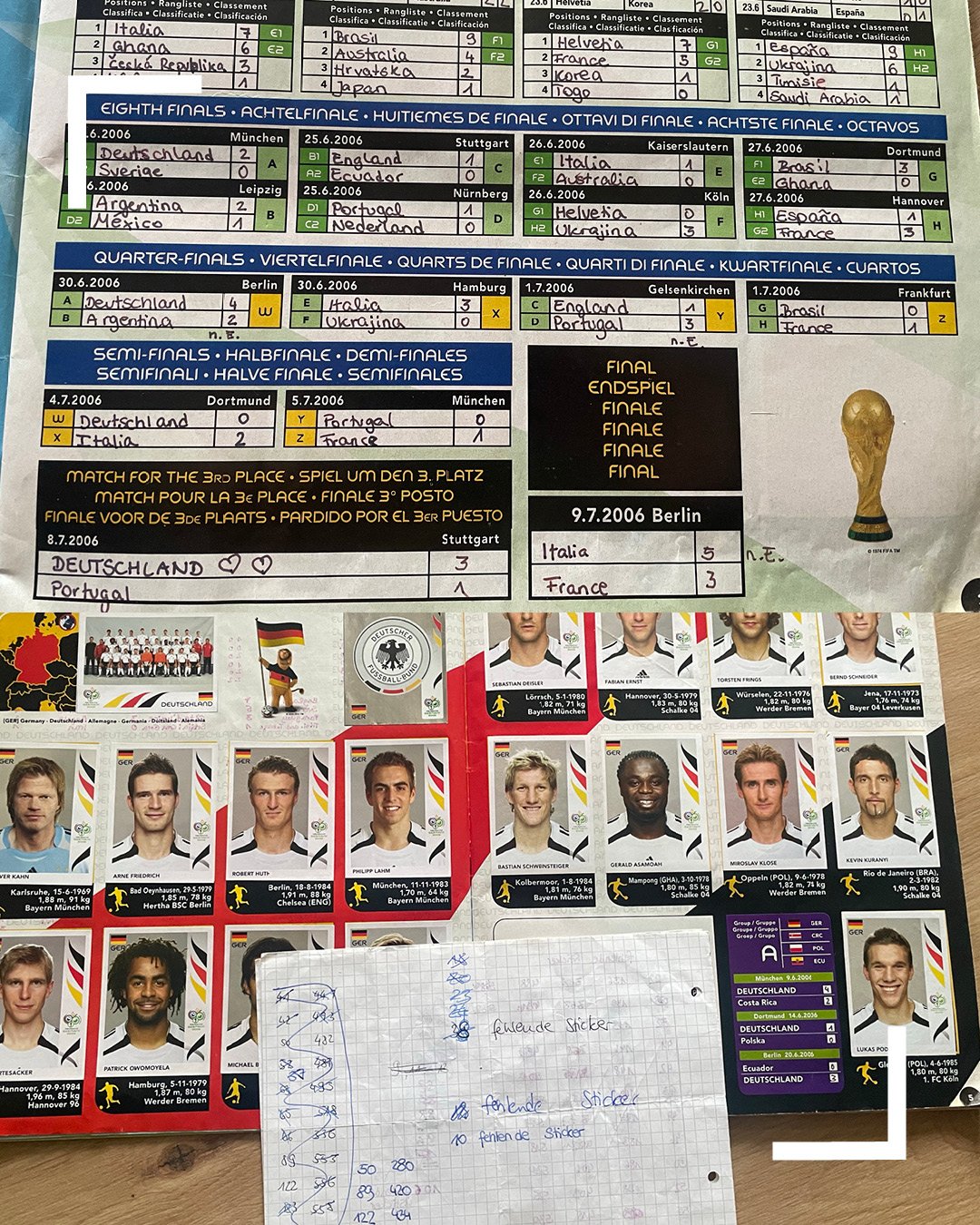
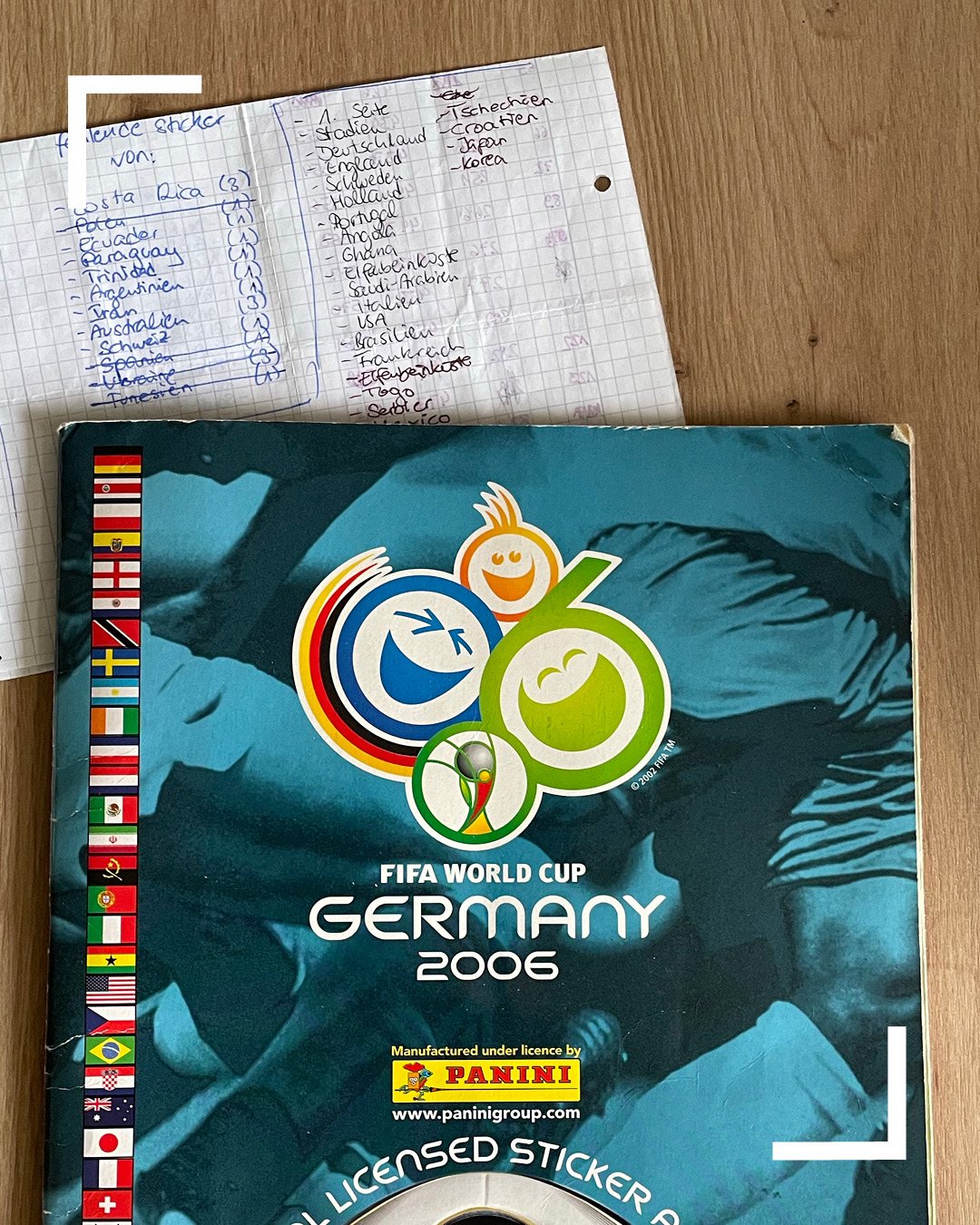
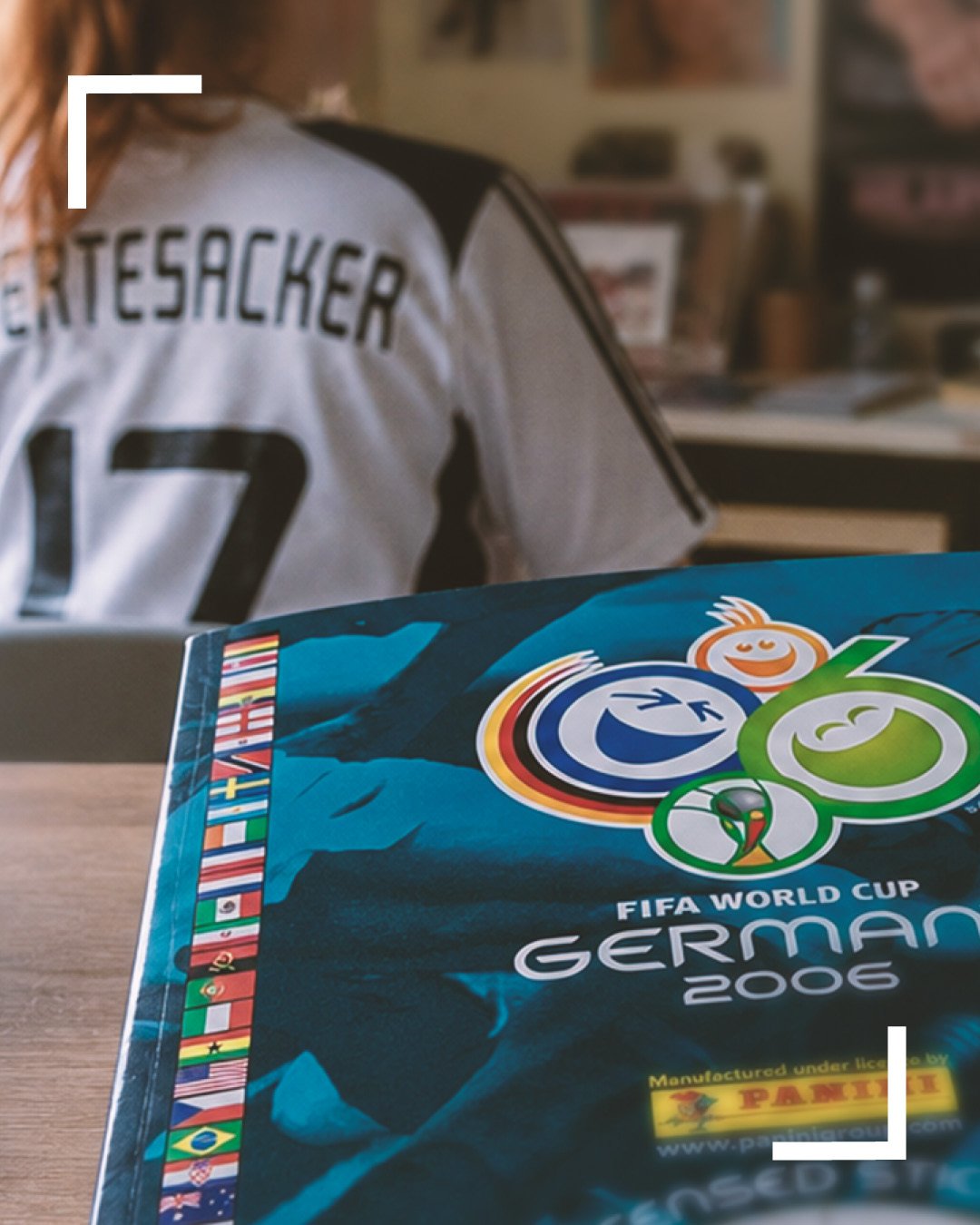
The Sommermärchen, deconstructed
Time for a closer look at the image we are carrying around by using a tool from critical futures studies. Causal Layered Analysis (CLA), developed by Sohail Inayatullah (1998), distinguishes four layers on which an image like the Sommermärchen operates:
On the surface, the litany (1): “Schwarz-Rot-Geil” headlines in the BILD tabloid (a pun turning the national colours black-red-gold into “black-red-brilliant”), record viewing figures, millions on Berlin's fan mile, nearly four weeks of sunshine. An unusually euphoric litany for this method. Beneath it, the systemic level (2): a nation-branding campaign following on from “Du bist Deutschland” (“You are Germany”), a World Cup bid with its very own corruption affair that never made it into the collective scrapbook, a meticulously organised staging of spontaneity.
At the worldview level (3) , something becomes clear: the narrative of "unselfconscious patriotism" was not a retrospective description of that summer - it ran alongside it in real time. Headlines and special broadcasts told people what was happening ("Germany is finally celebrating, free of all inhibition!"), and precisely through that, it happened. Anyone painting the flag on their cheek was already following this narrative. Inayatullah (1998) calls this: discourses constitute their subject. Our gut feeling, our sense of life, and the way we are talking about things shape our understanding of them. And at the core of this, the myth (4): the summer fairy tale itself. Taken literally, it is a story with a guaranteed happy ending, one in which a country plays itself free of its own history.
- Causal Layered Analysis (CLA)
At Schaltzeit, we regularly run workshops, including on the CLA method. We have created a free handout on it – download it here.


Find out more here: Recap CLA-Abend: Welche Geschichten prägen meine Tech-Visionen?
The nostalgia image I carry around with me takes place mainly on the top layer. The litany was glued into the album; the layers beneath it (and with them the shadow sides) were sorted out. This image was curated from the start. Even though I look at it more critically today than ever: no one will be taking that carefree World Cup summer away from me. And it did not belong to everyone equally. Who appeared in the Sommermärchen and whose summer looked different? An image that is treated as collective but reflects the experience of only some is exactly what critical futures studies seeks to break open: what individuals or groups find desirable is never universally desirable. Twenty years later, this curated image has not simply faded, it is contested. Black-red-gold means something different in 2026 than it did in 2006: what was once celebrated as "unselfconscious patriotism" has long since become a symbol appropriated by the far right. Today's debates about flags and public viewing are less about whether we are allowed to celebrate the way we did back then and more about who this image belongs to. That is precisely what makes an unquestioned nostalgia image risky: whoever fails to deconstruct it leaves its interpretation to others. We are carrying around an image of the future that has not only expired but has become contested terrain and comparing the present with a past that never existed in that form.
Two ways of longing
Literary scholar Svetlana Boym (2001) offered a useful distinction for this battle over the past: she separates restorative from reflective nostalgia. Restorative nostalgia wants to restore the past. It understands its own image of longing not as an image but as a truth to be returned to. It is the mode of national revival narratives, and it is the one that lends itself to political instrumentalisation: "back to 2006" is structurally the same move as any other "back to the good old days". Consumer culture, too, knows almost only this first mode. The retro kit, the anniversary documentary, the revival product line: restorative nostalgia as a business model, the past as a commodity, gutted and reissued. Is it a coincidence that retro kits are being sold right now, of all times while a tournament of superlatives produces irritation instead of lightness? The more unsettling the present, the stronger the pull back - FIFA and the DFB have understood this.
Reflective nostalgia, by contrast, knows that the image is an image. It lingers in the longing instead of redeeming it and can therefore question it: What exactly am I missing? And what does that say about now?
Nostalgia as a tool
Boettcher (2021) proposes taking nostalgia images seriously: as a basis for deconstruction, as critical analysis of the present, as an expansion of the space of imagination. Instead of asking “How do we get back to 2006?”, futures studies asks: What exactly was the longing and what does it say about today?
With the Sommermärchen, this can be answered precisely. The longing was never for the tournament itself. It was for lightness. For a collective experience that came with no conditions attached. For a self-image that, for a moment, allowed itself to be revised. These are not memories, these are needs of the present, dressed up as the past. And needs are raw material. From them, new images of the future can be built, ones that don't recycle the old image but take the underlying need seriously: What would collective experience look like that doesn't depend on a world governing body with questionable governance? What places and occasions could make lightness possible, without a summer of 2006 having to return?
That is the difference between a retro kit and a nostalgia image as a tool: one reproduces the past, the other questions it.
And this tool doesn't only work for World Cups. Organisations, too, carry their own Sommermärchen around with them: the founding years, “when we were still fast”, the market, “when it was still manageable”. Wherever a “back to the old days” hangs in the air during strategy processes, the same question is worth asking: What needs lie behind the longing? And what image of the future could be built from it instead of restoring a past that never existed in that form?
Nine missing stickers
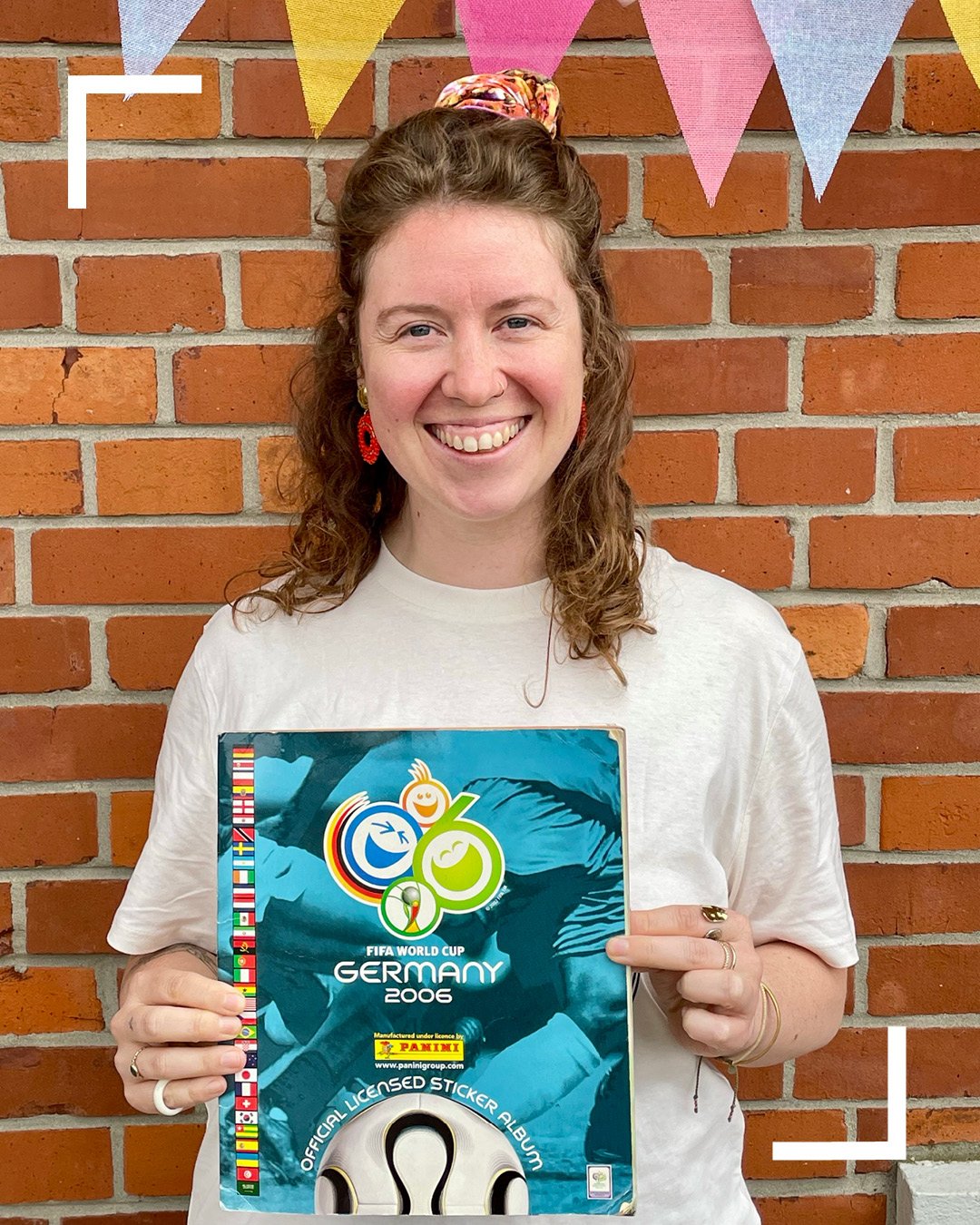
My Panini album from 2006 is still incomplete today. For a while, that bothered me. By now, I read the gaps differently: as the blank spaces of a past future, of an image that was never finished. Not then, not now. Not in the album, not in my head.
Images of the future and nostalgia images both tell of the present. The 2026 World Cup will pass, the kit will end up in the sale. The question of what future we imagine for ourselves - whether at twelve or at thirty-two - remains.
References and recommendations
Böttcher, L. (2021). Plädoyer für die Nostalgie. Zu den Potentialen der Nostalgie für die Zukunftsforschung. iF-Schriftenreihe Sozialwissenschaftliche Zukunftsforschung, 04/2021. Institut Futur, Freie Universität Berlin. https://doi.org/10.17169/refubium-30690
Boym, S. (2001). The Future of Nostalgia. New York: Basic Books.
CLA handout: https://schaltzeit.com/download/CLA/CLA_Handout_mit%20Erkl%C3%A4rung.pdf
Deutschlandfunk: Behind The Games – Wer den Sport kontrolliert [podcast, in German]. https://www.deutschlandfunk.de/behind-the-games-100.html
Inayatullah, S. (1998). Causal layered analysis: Poststructuralism as method. Futures, 30(8), 815–829.
Wortmann, S. (2006). Deutschland. Ein Sommermärchen [documentary film, in German]. https://www.youtube.com/watch?v=KNAzOHfycLQ
Tagesschau: Instagram Beitrag zur Fußball-WM vor 20 Jahren: https://www.instagram.com/reels/Daj01AdlAkD/