
The takeaway after two intense days? YES AND NO. AI accelerates foresight processes - but speed alone is not a quality criterion. The discussions made one thing clear: those who use AI need not less, but more methodological reflection. The danger is not that AI will replace analysts, but that it could flatten the depth of content - if we allow it to.
Three points that particularly concern us:
Responsibility must not become diffuse. When AI delivers the basis for decisions, it must still be clear who bears responsibility for strategic assessments. Red teaming approaches can help systematically challenge AI-supported results.
Digital sovereignty is not a luxury. Without autonomy in AI and language models, strategic dependencies emerge. Europe must catch up on the quality of its own models - and where external models are used, they must run in proprietary environments, without the ability to phone home.
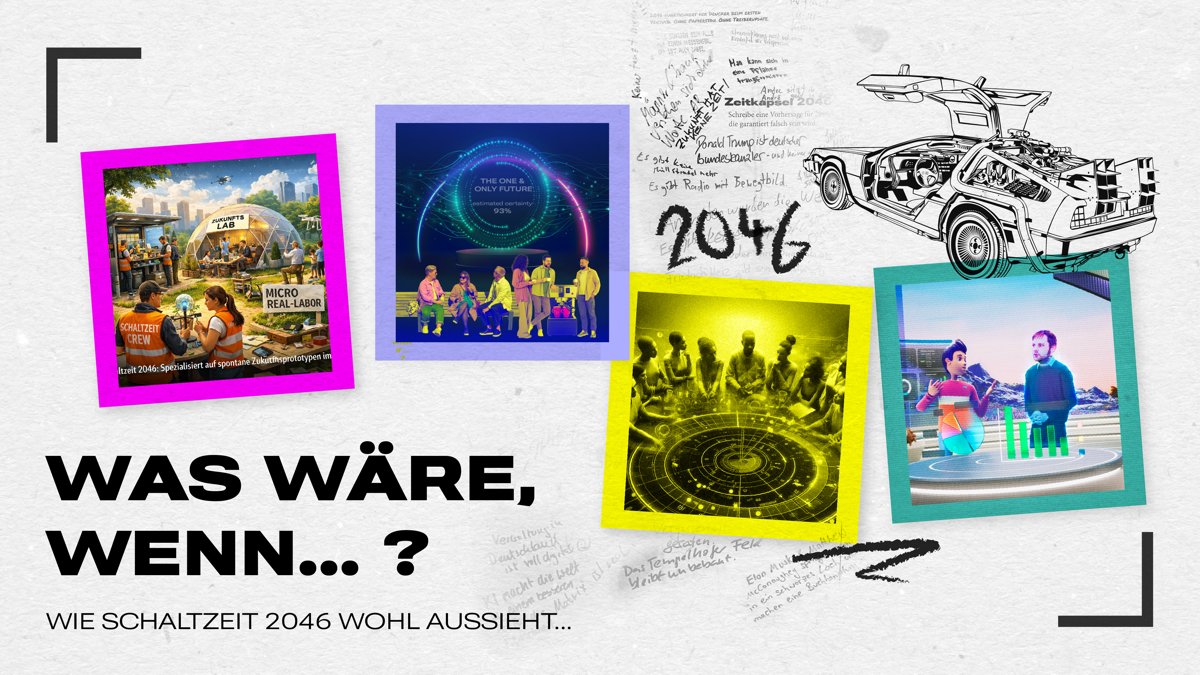
Futures competencies must be taught. The new technological possibilities - from 3D scenarios to AI-generated future films - are enormous. But they require critical thinking, source literacy, and the awareness that visions of the future are constructed images, not forecasts.
We have published the detailed workshop report together with the Advanced Foresight Group, including all results from six working groups, three panels, and a commentary by Andre Winzer.
→ Read the full article on the Advanced Foresight Group blog
Schaltzeit supports organizations in integrating AI into foresight and strategy processes. Have questions or want to plan a workshop? Get in touch.